Against Erasure
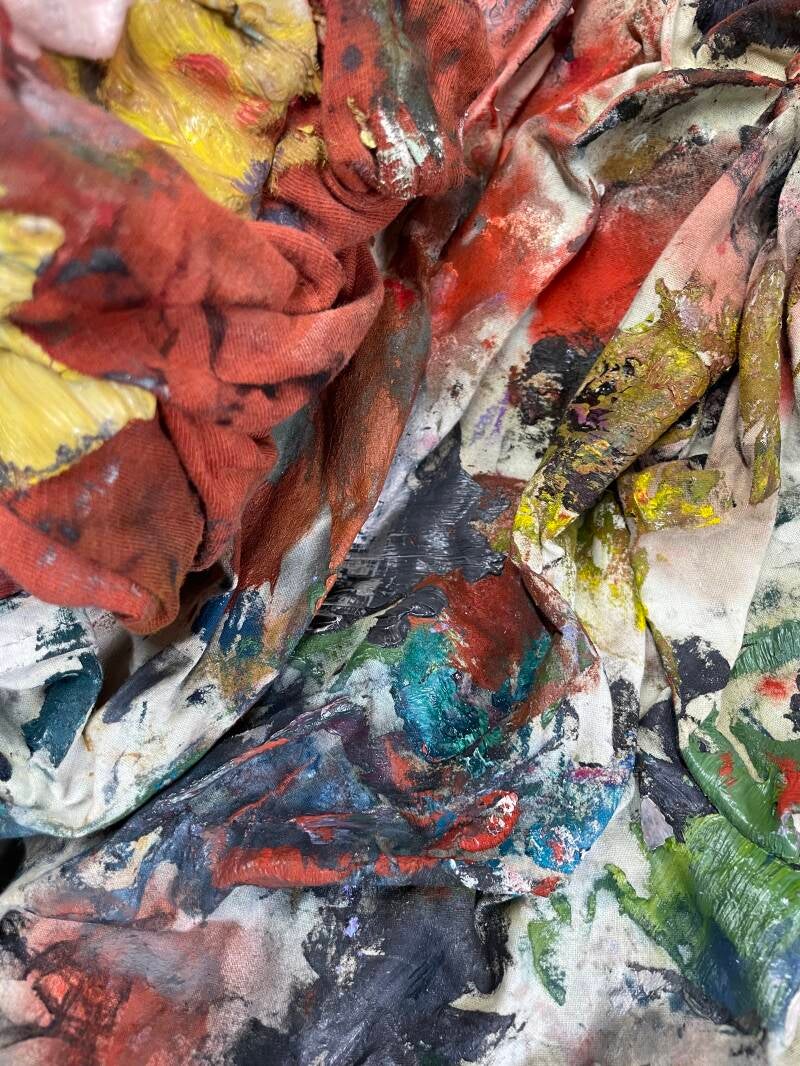
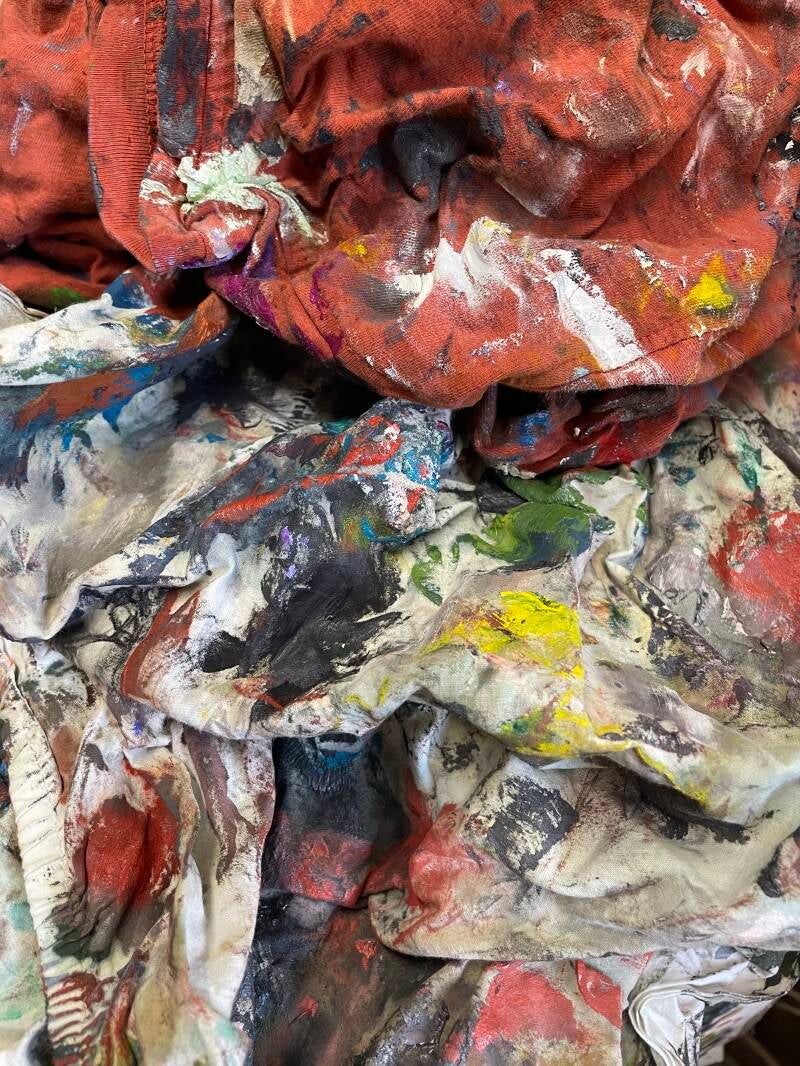
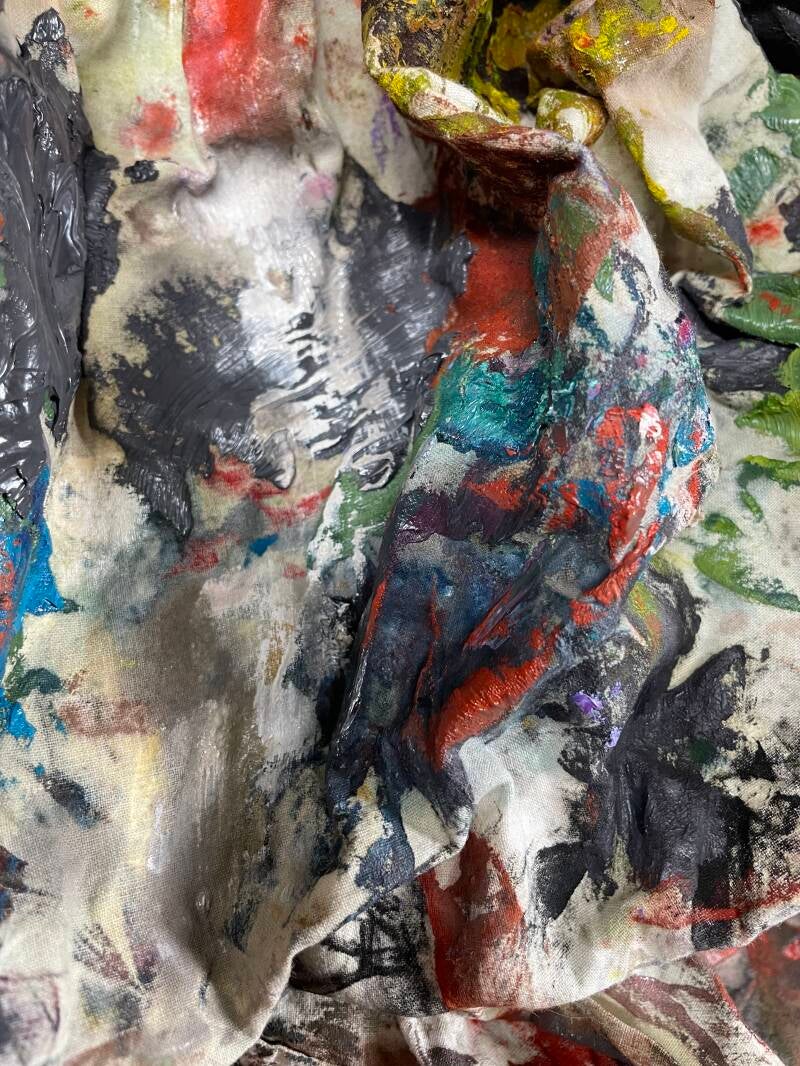
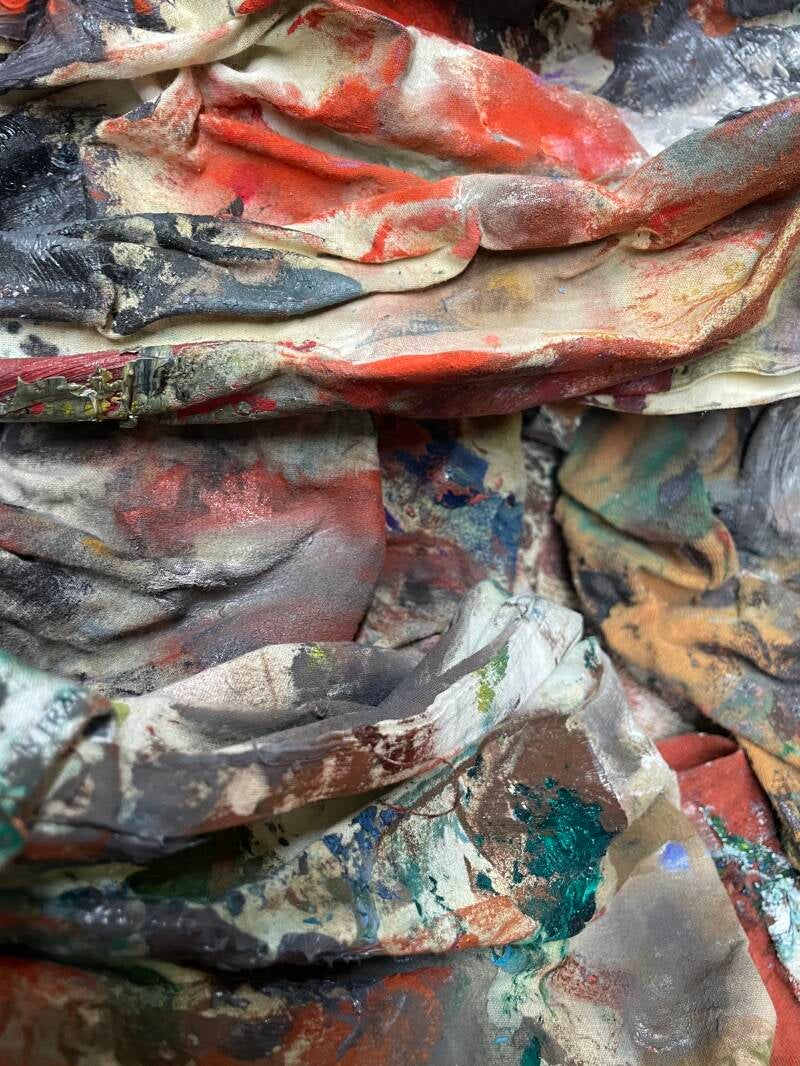
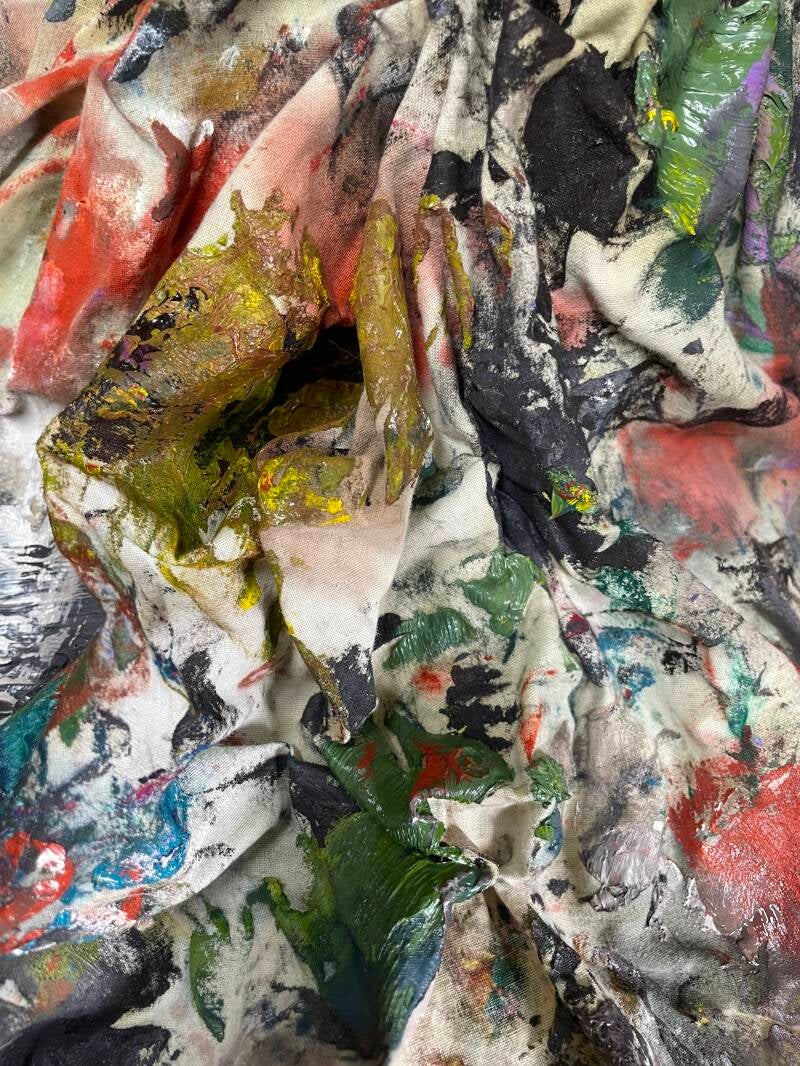
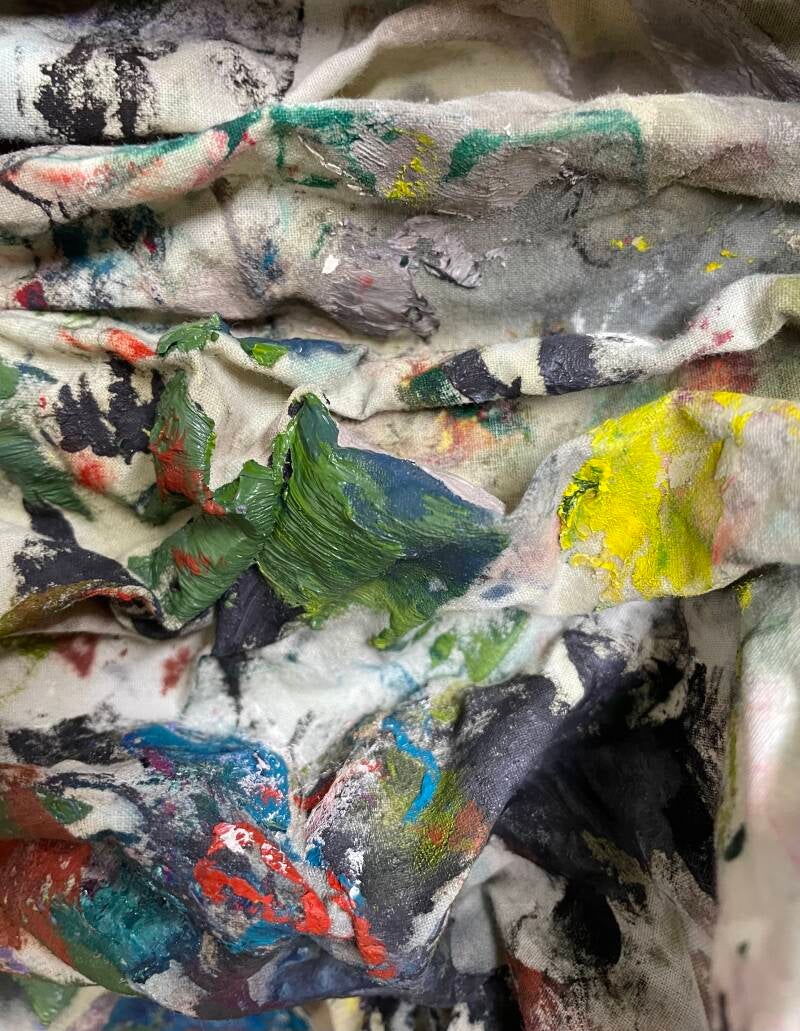
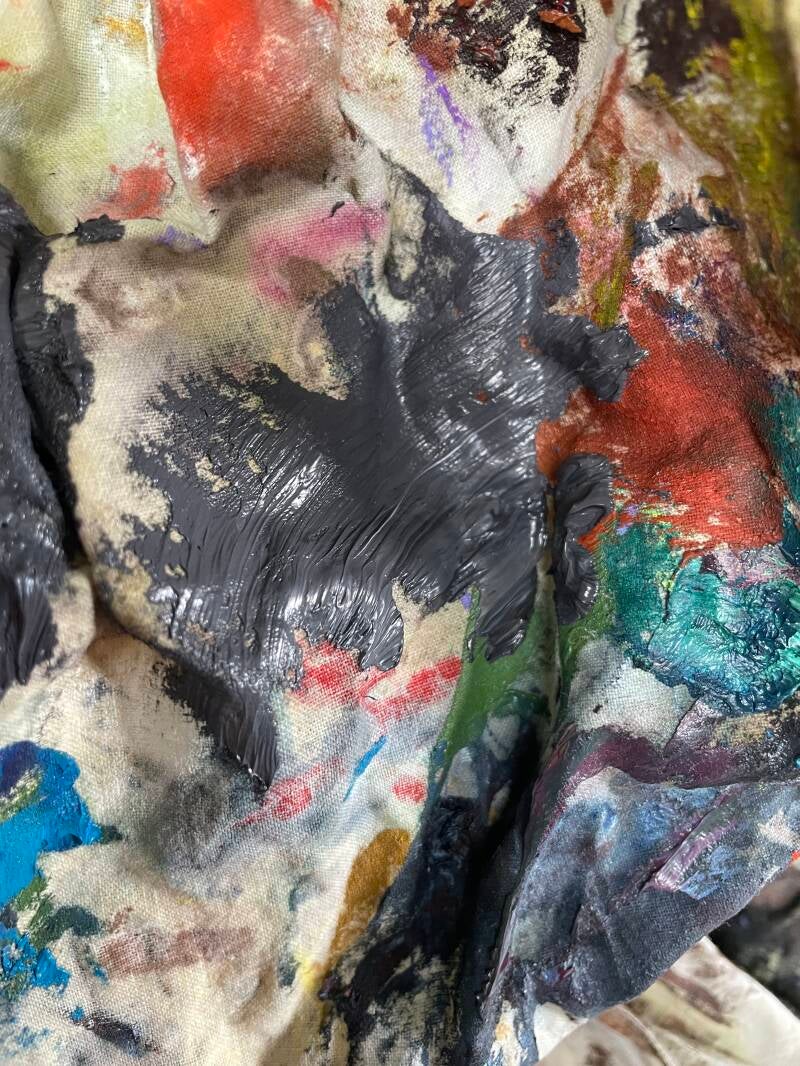
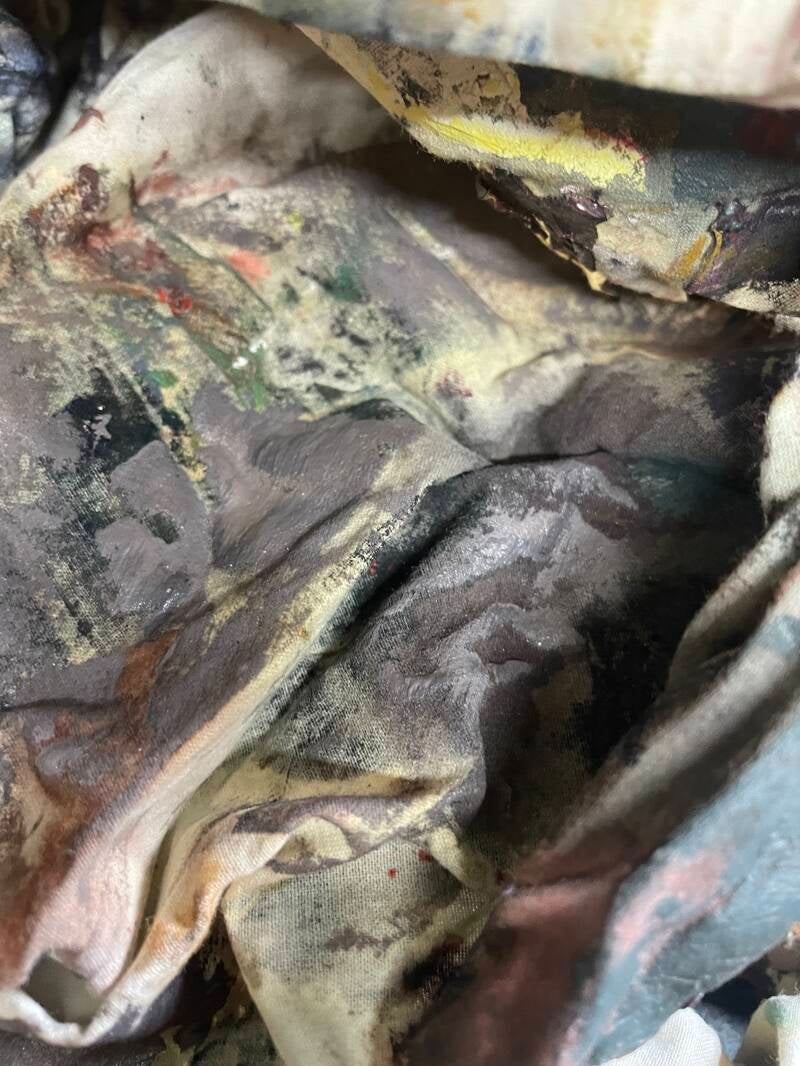
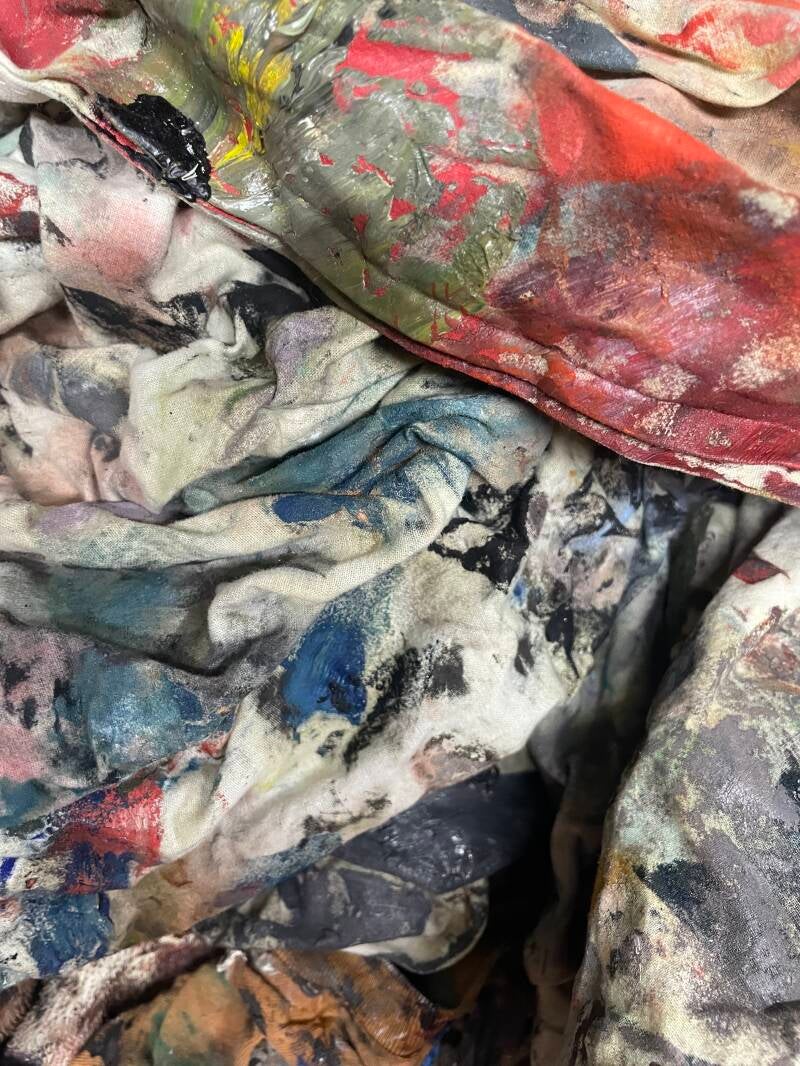
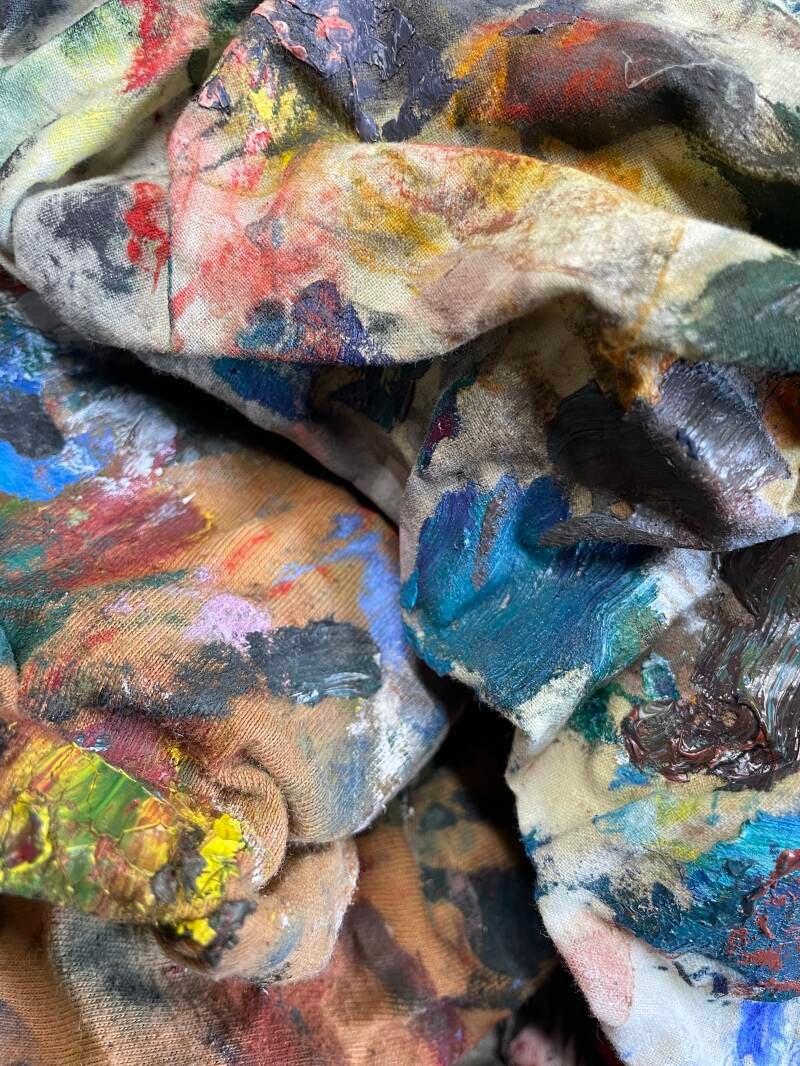
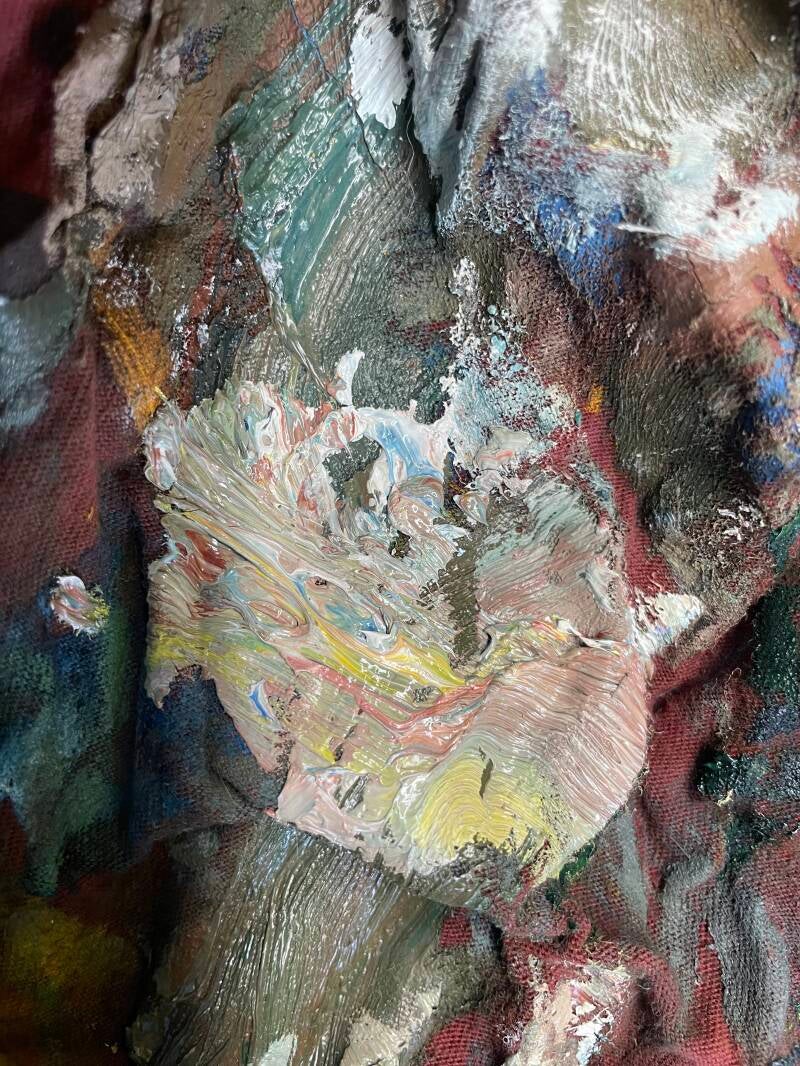
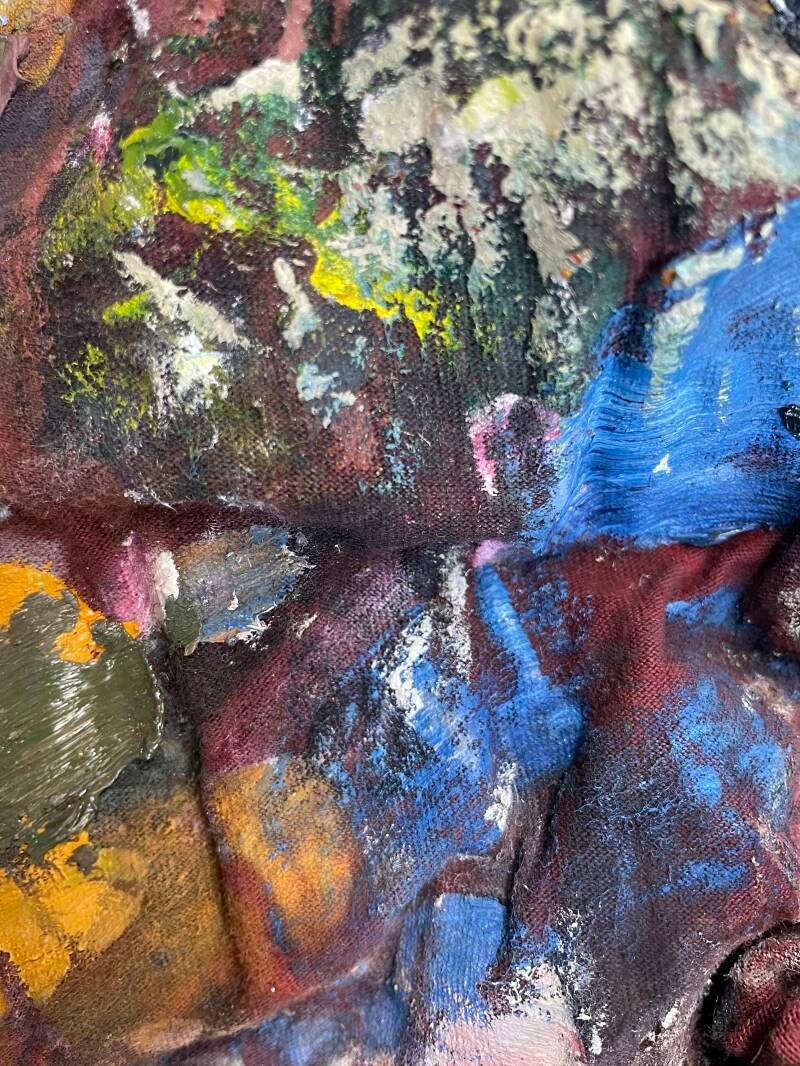
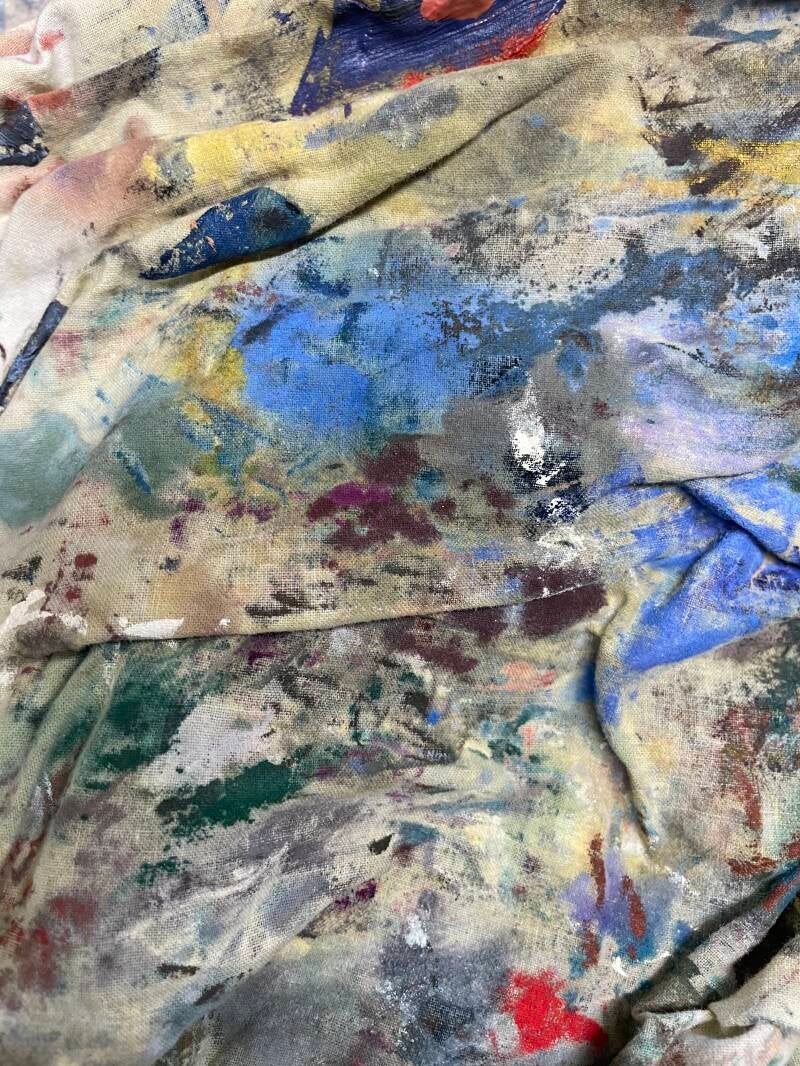
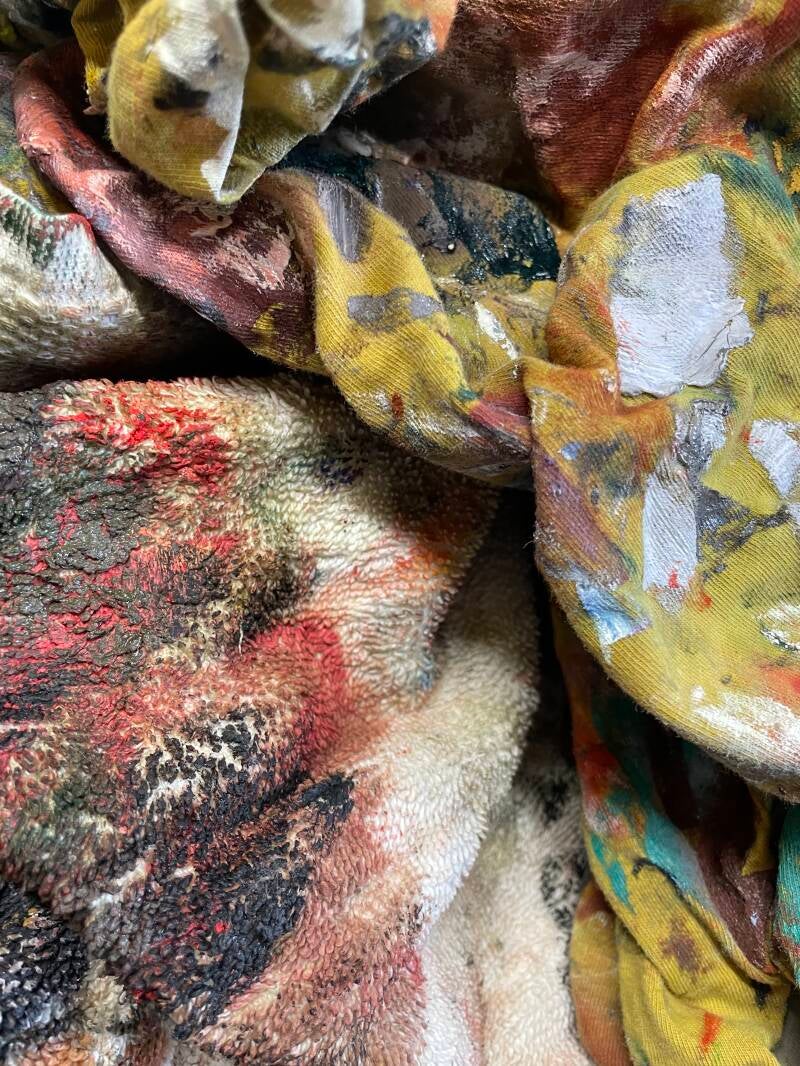
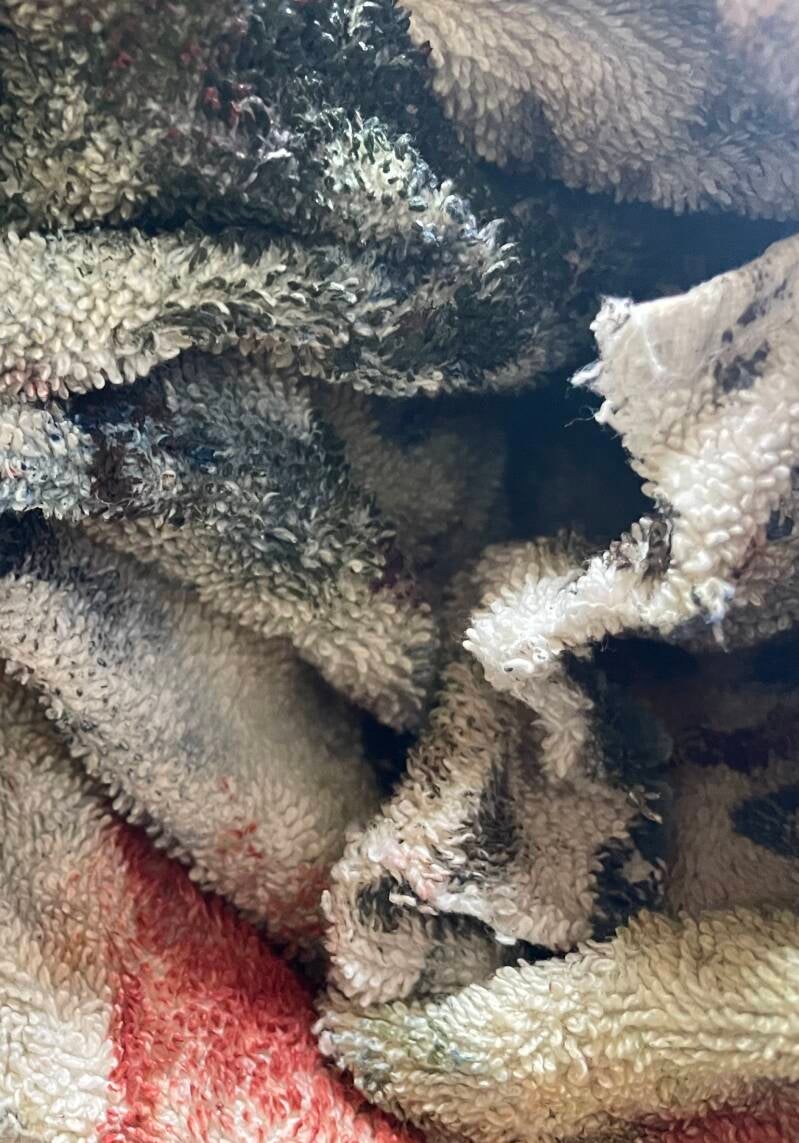
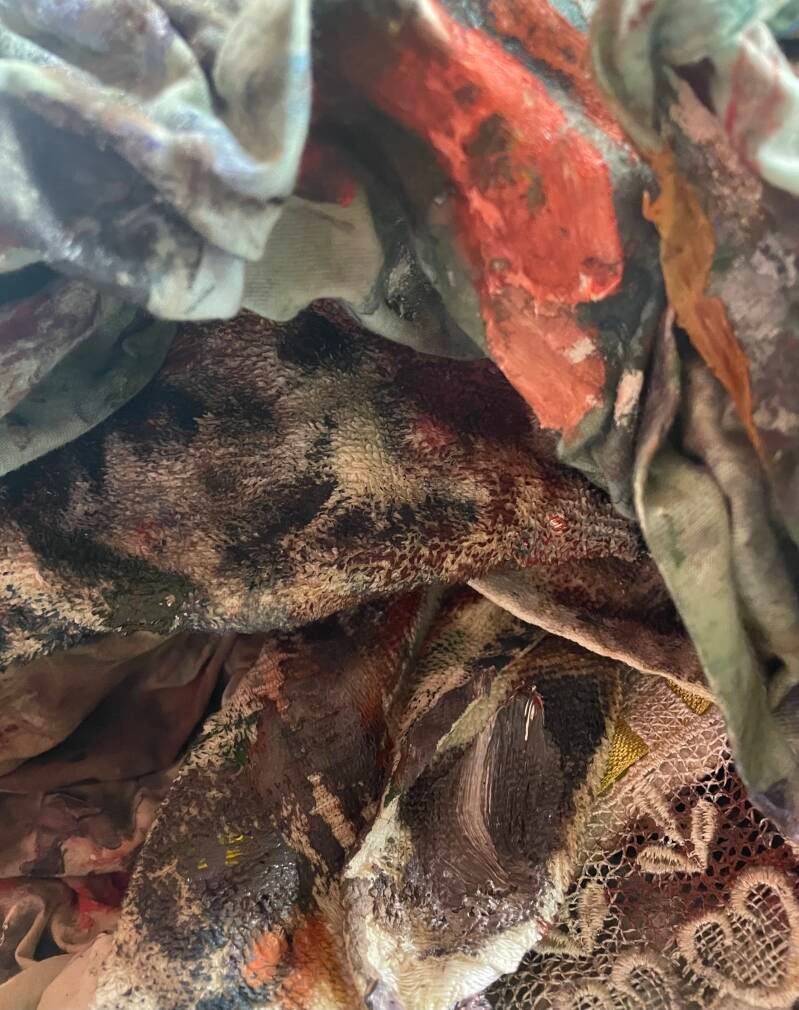
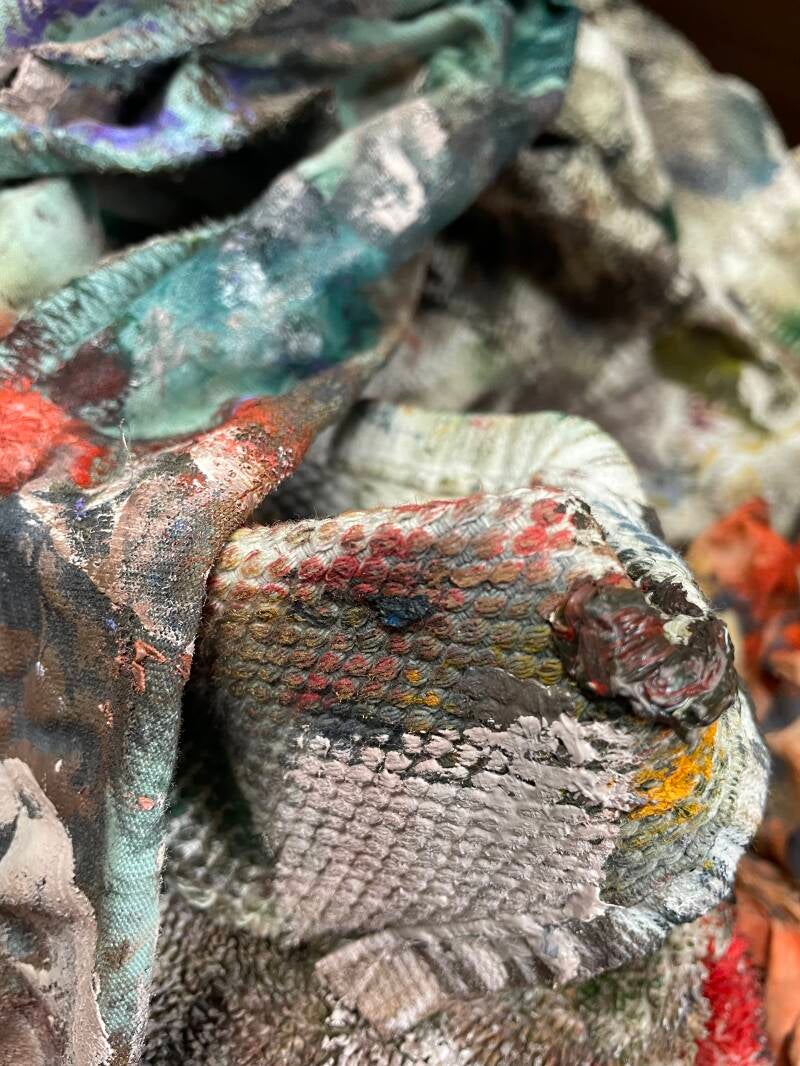
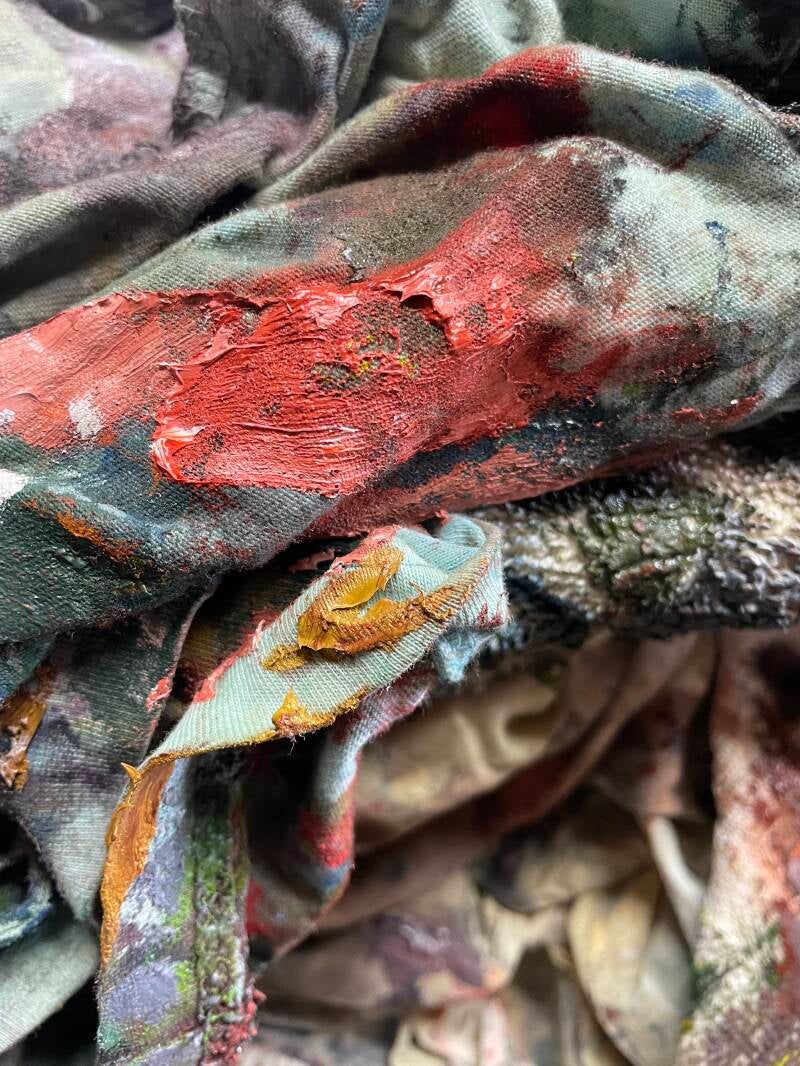
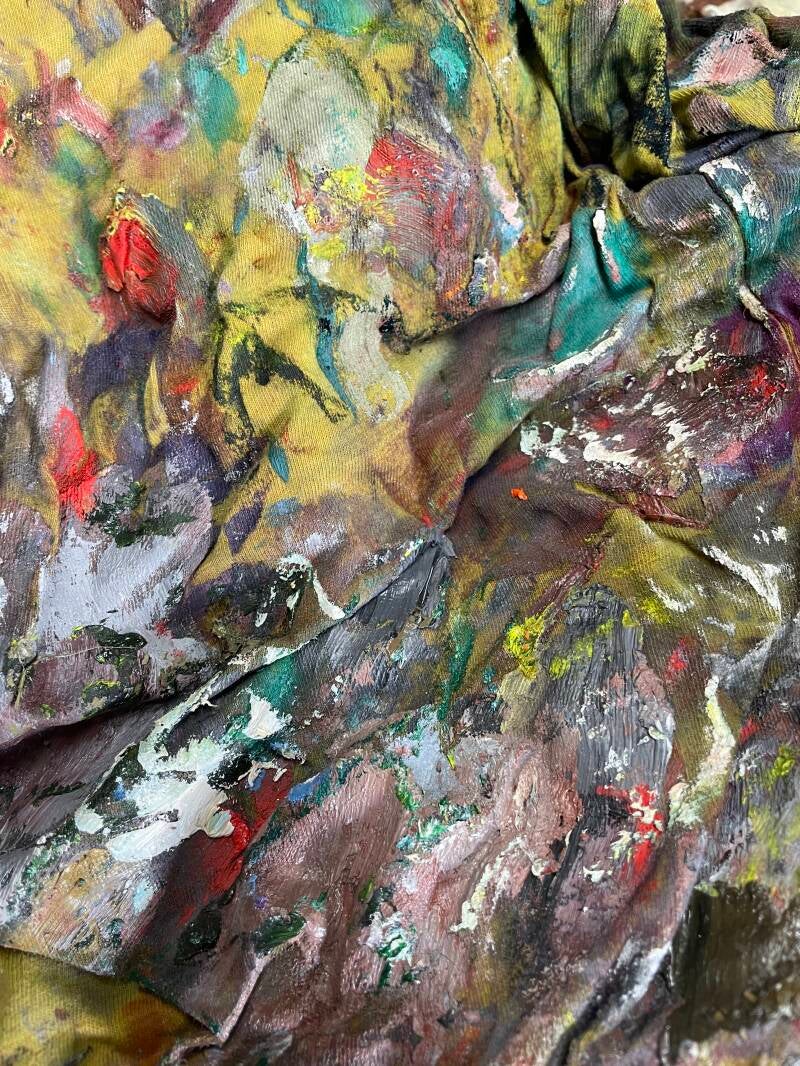
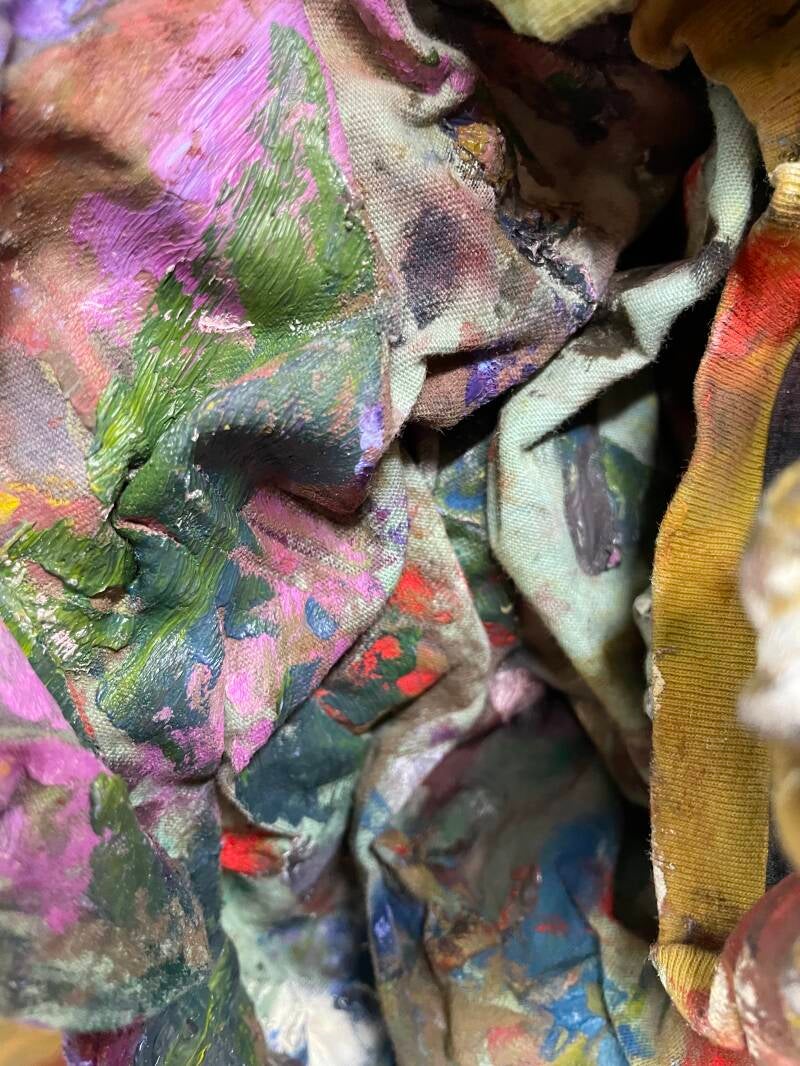
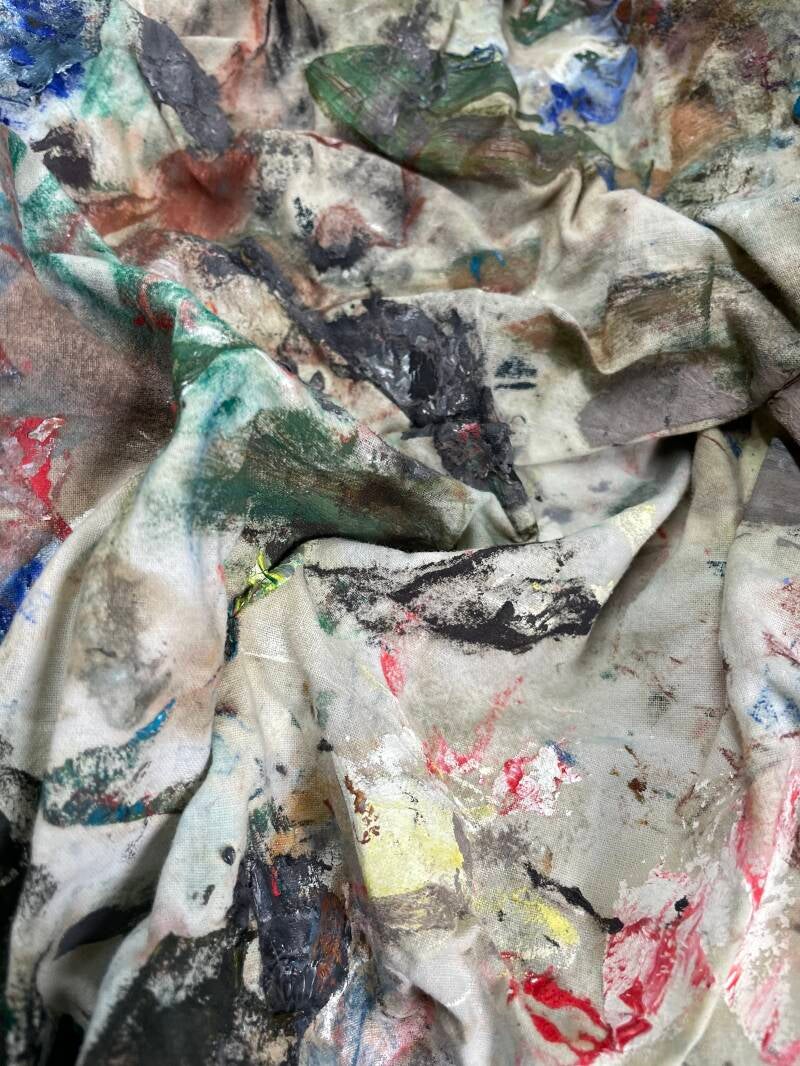
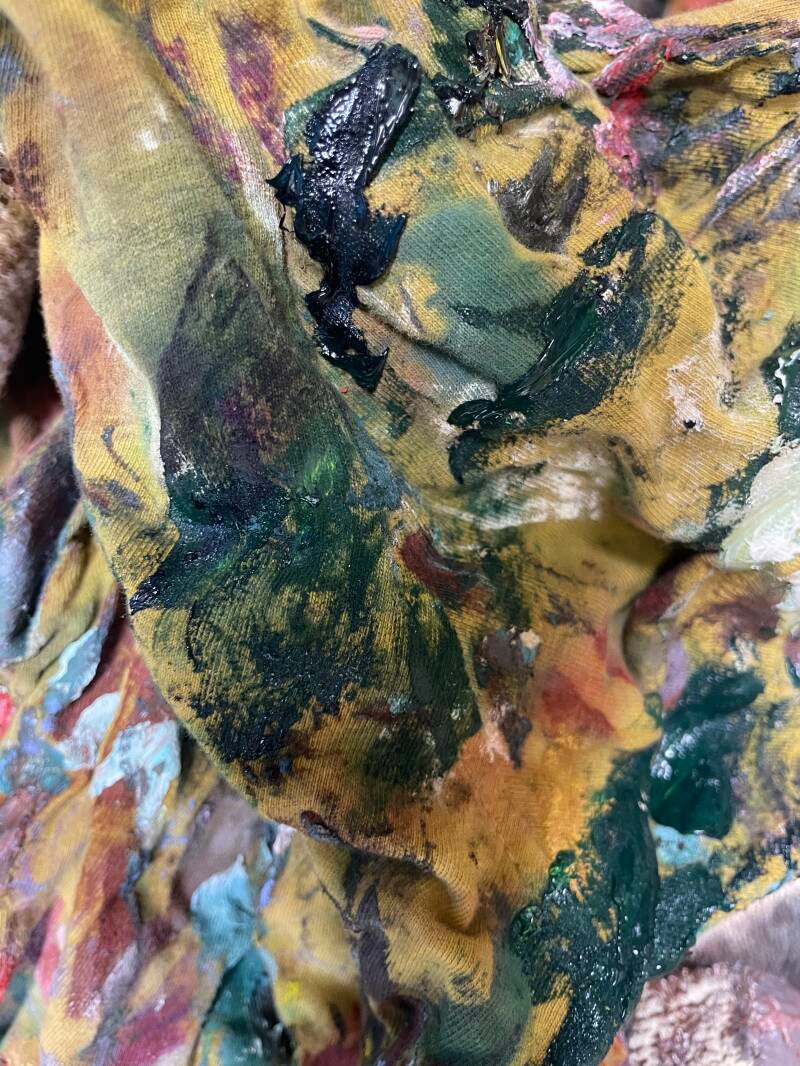
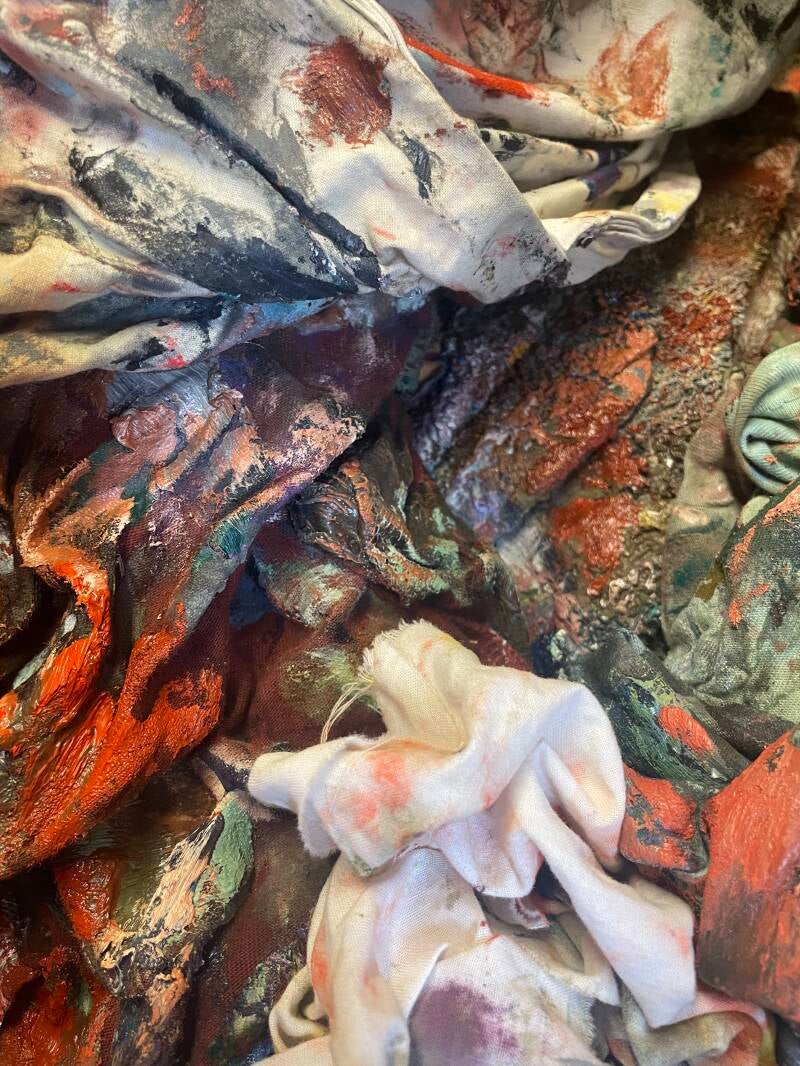
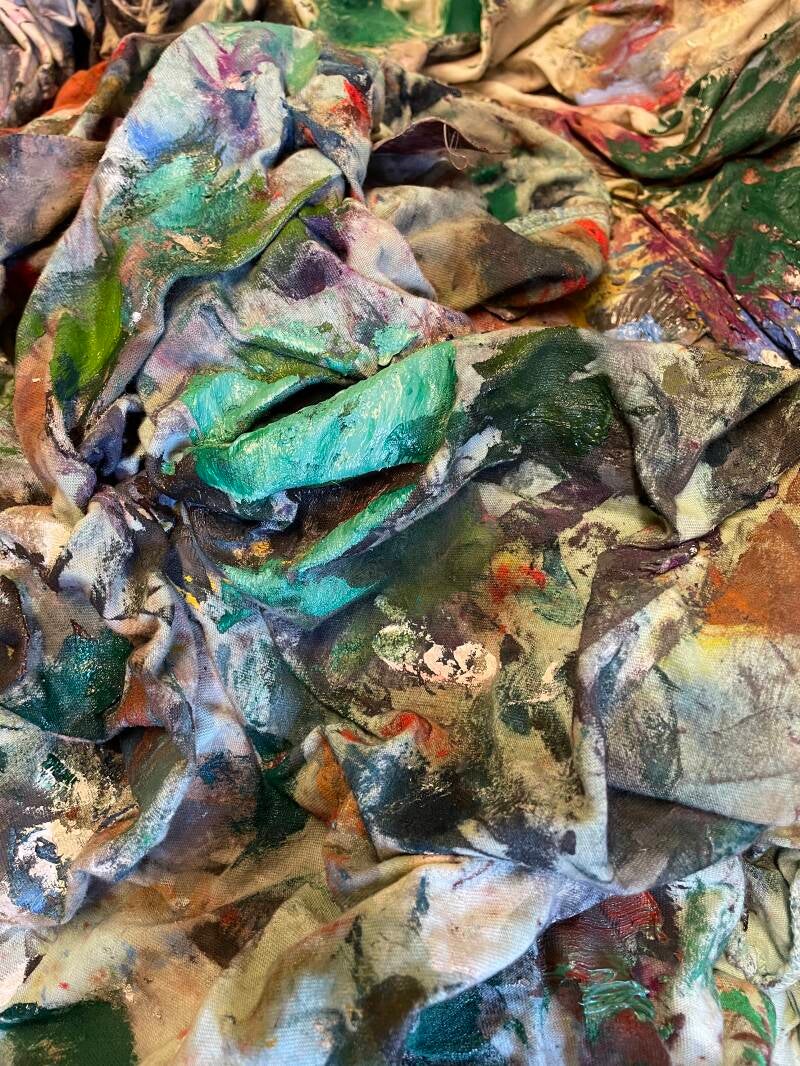
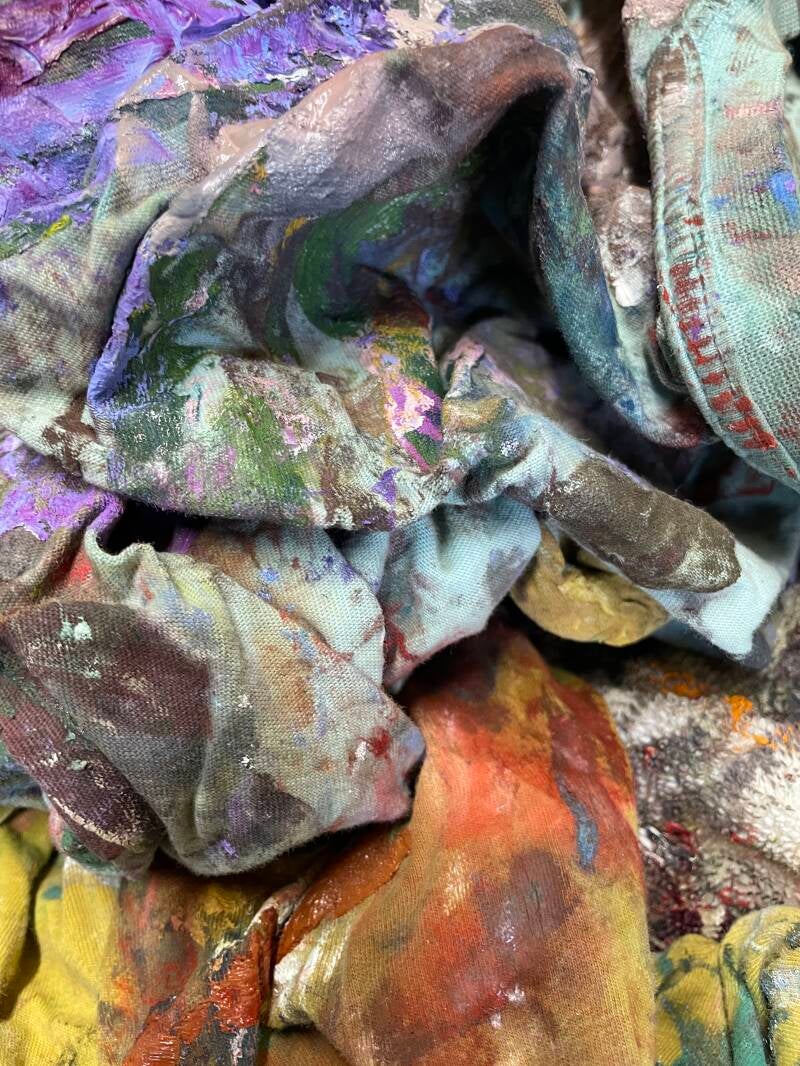
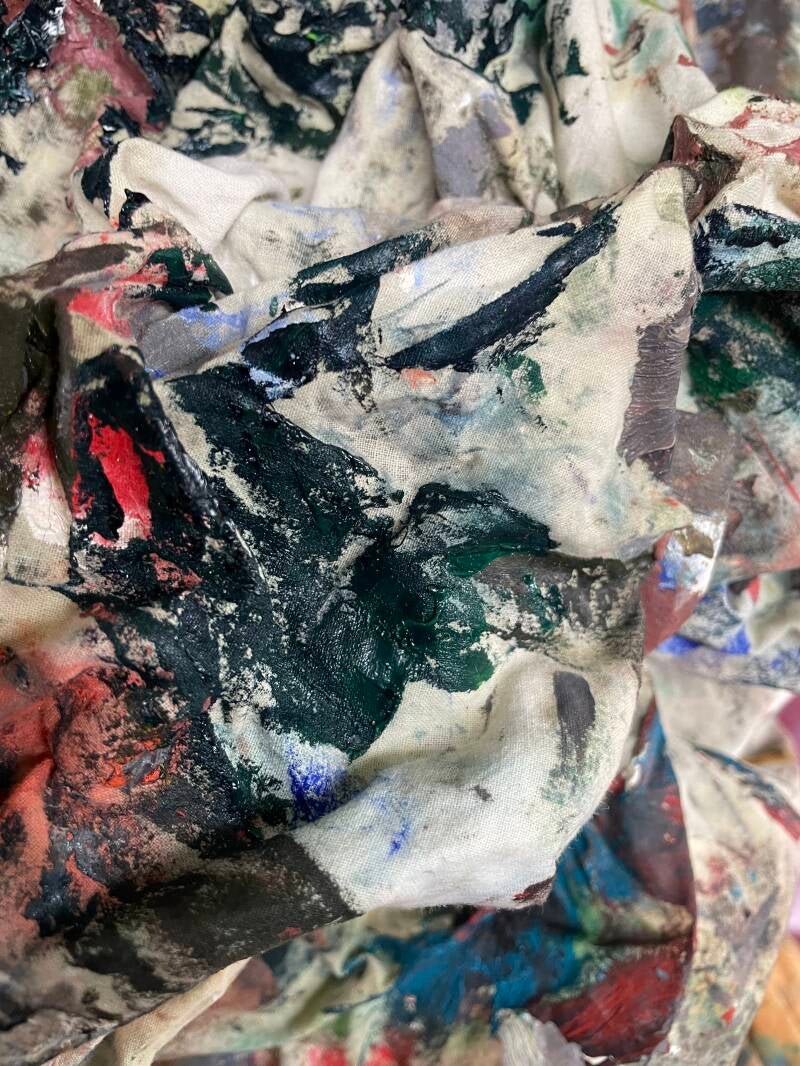
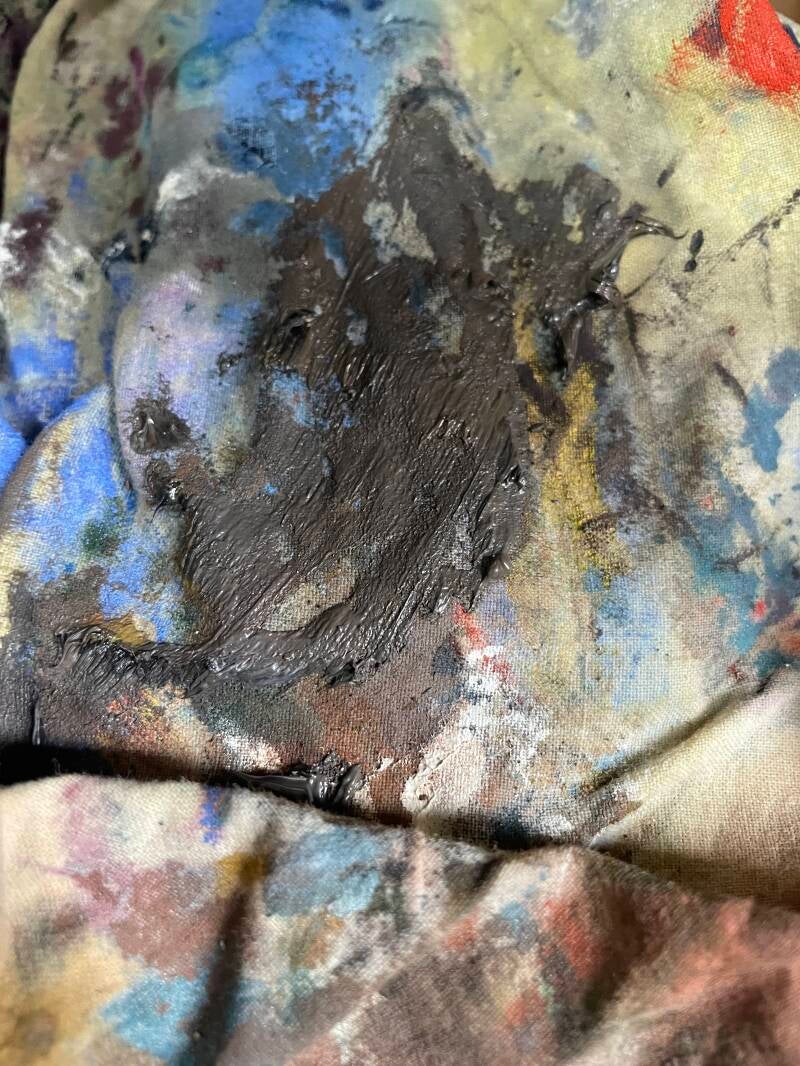
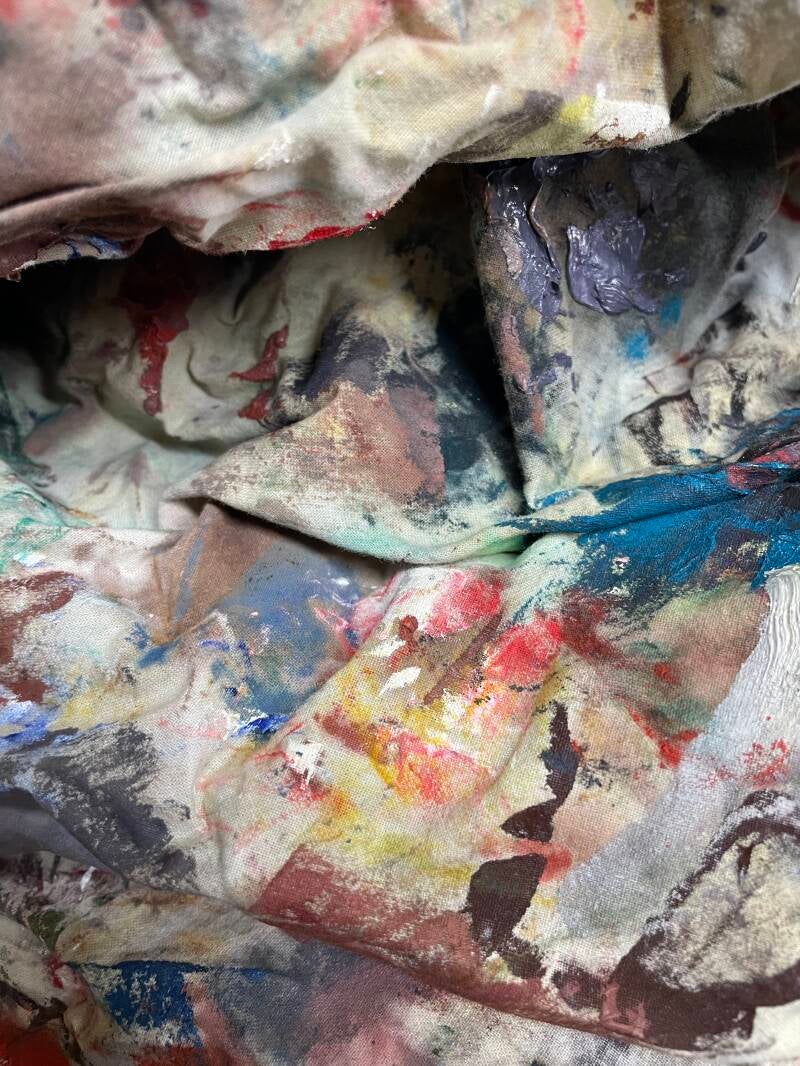
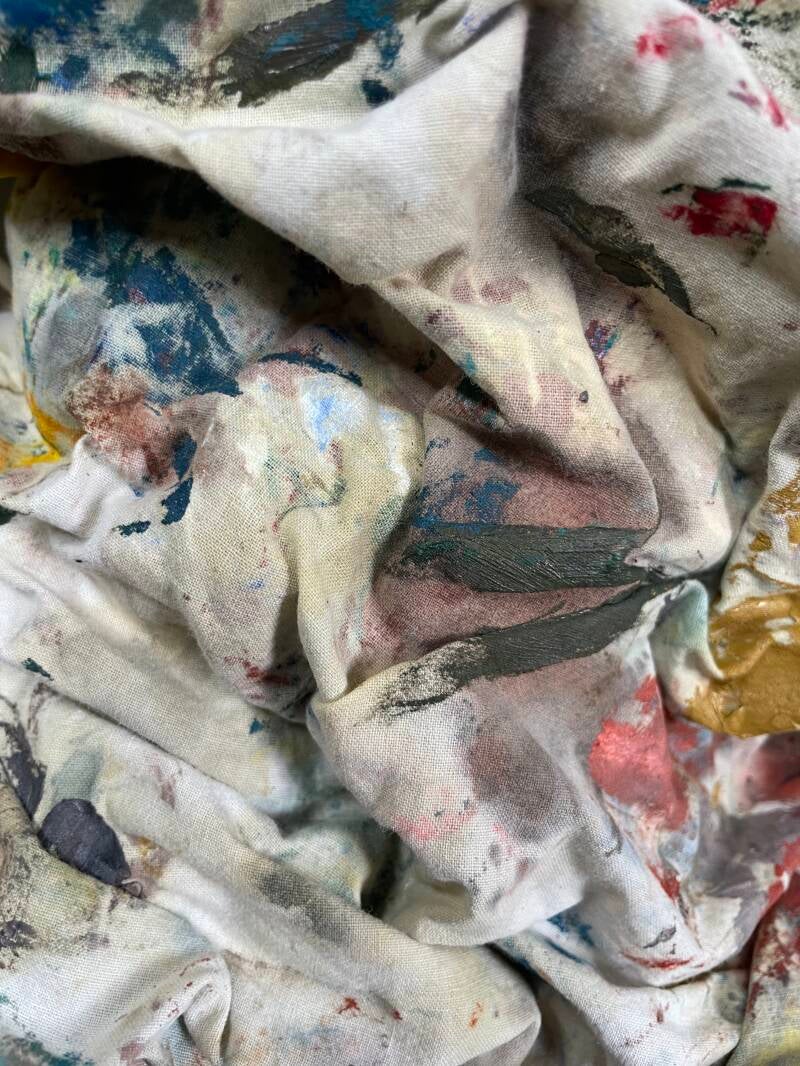
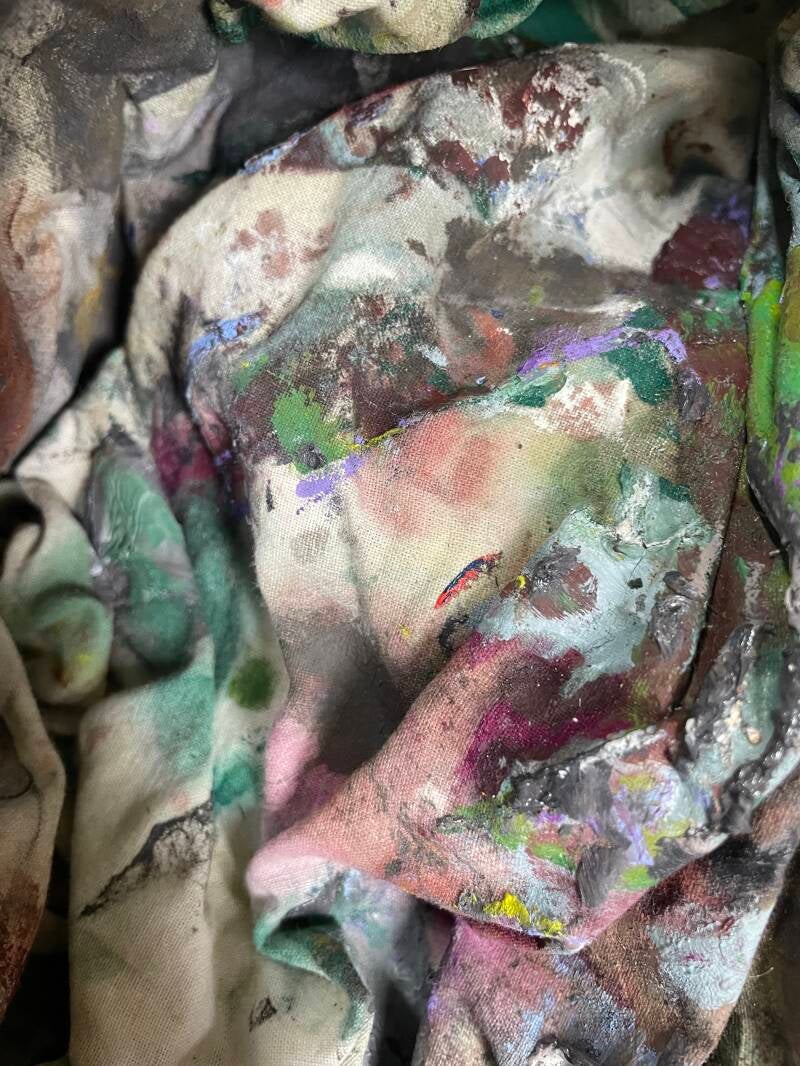
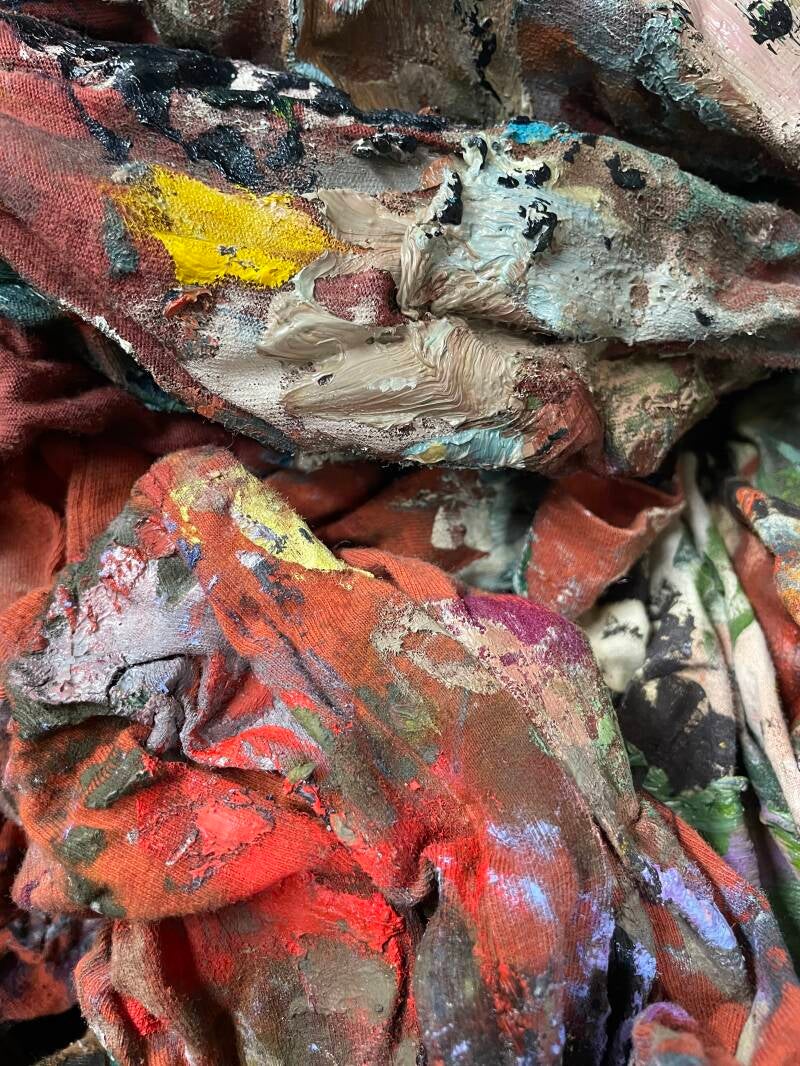
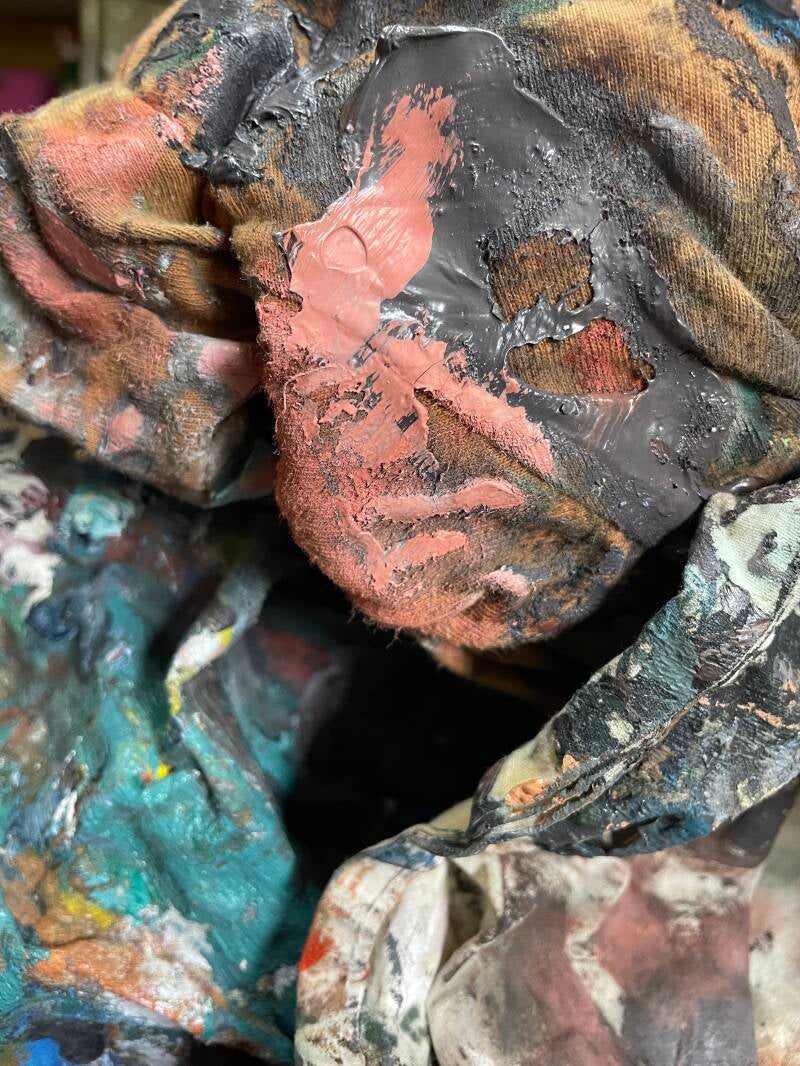
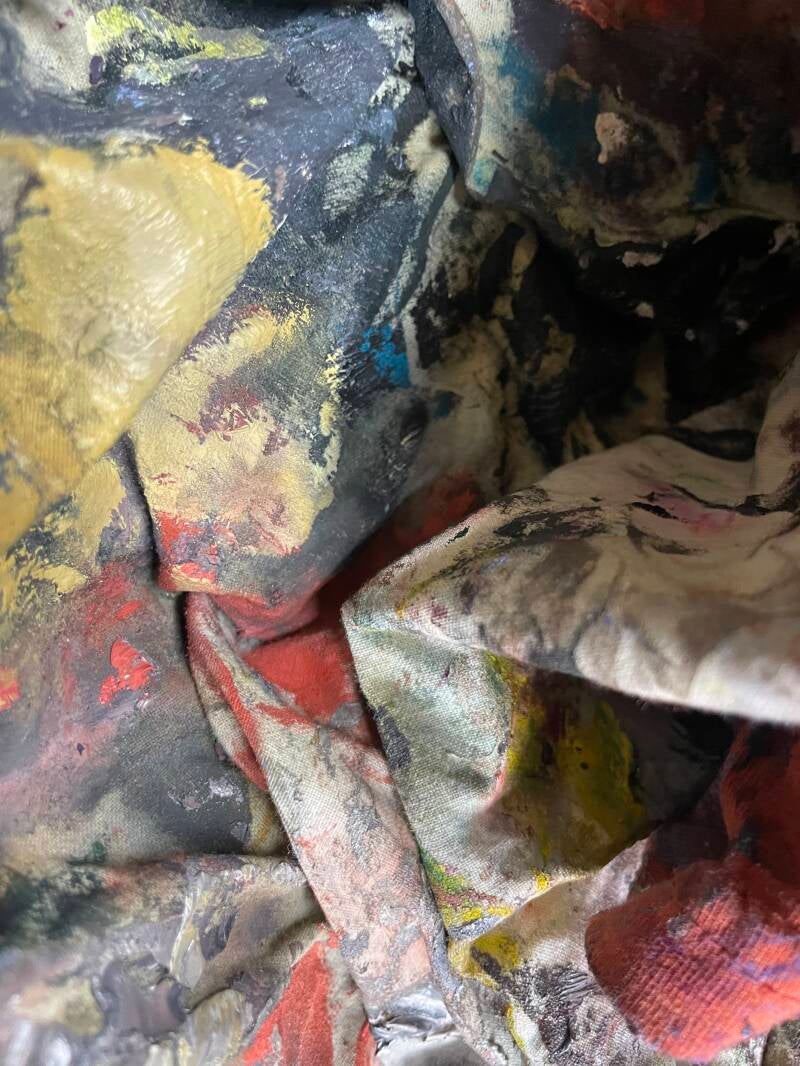
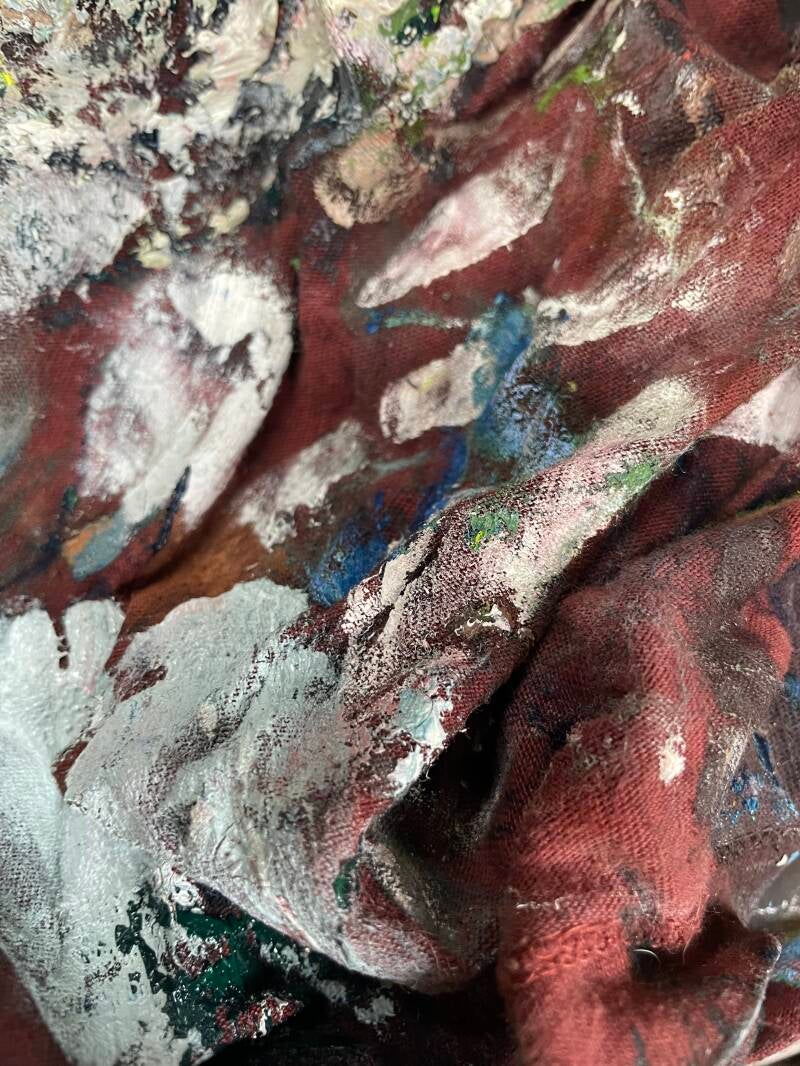
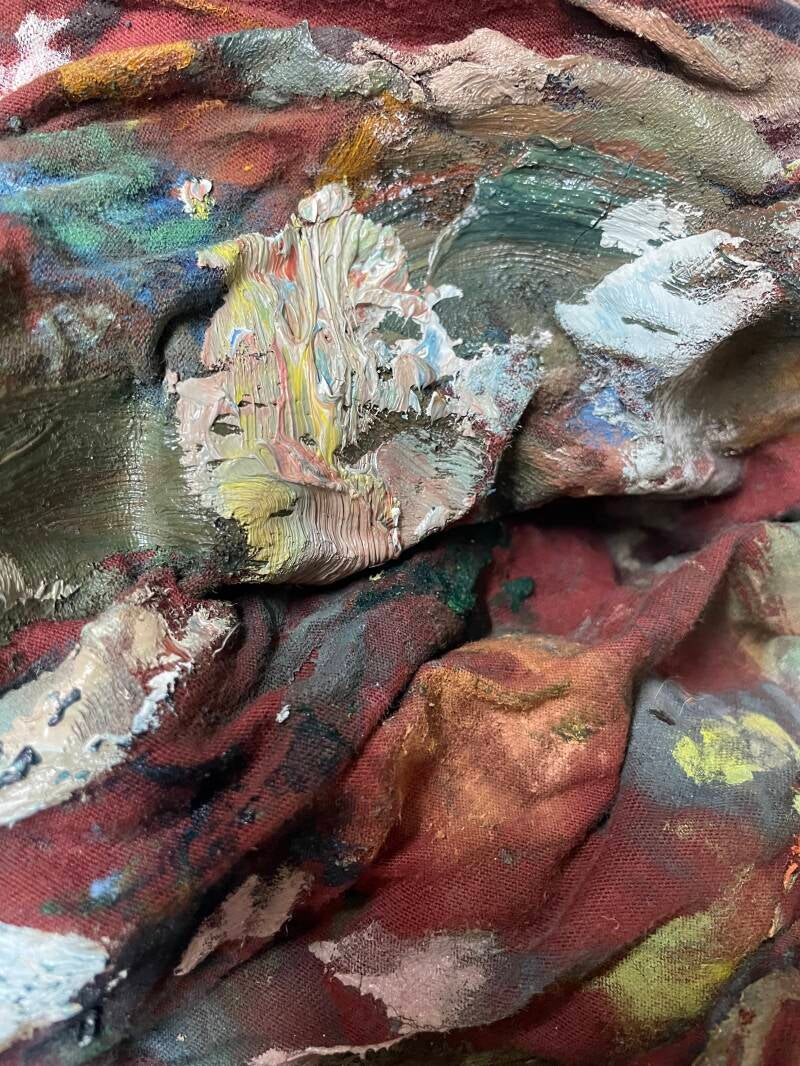
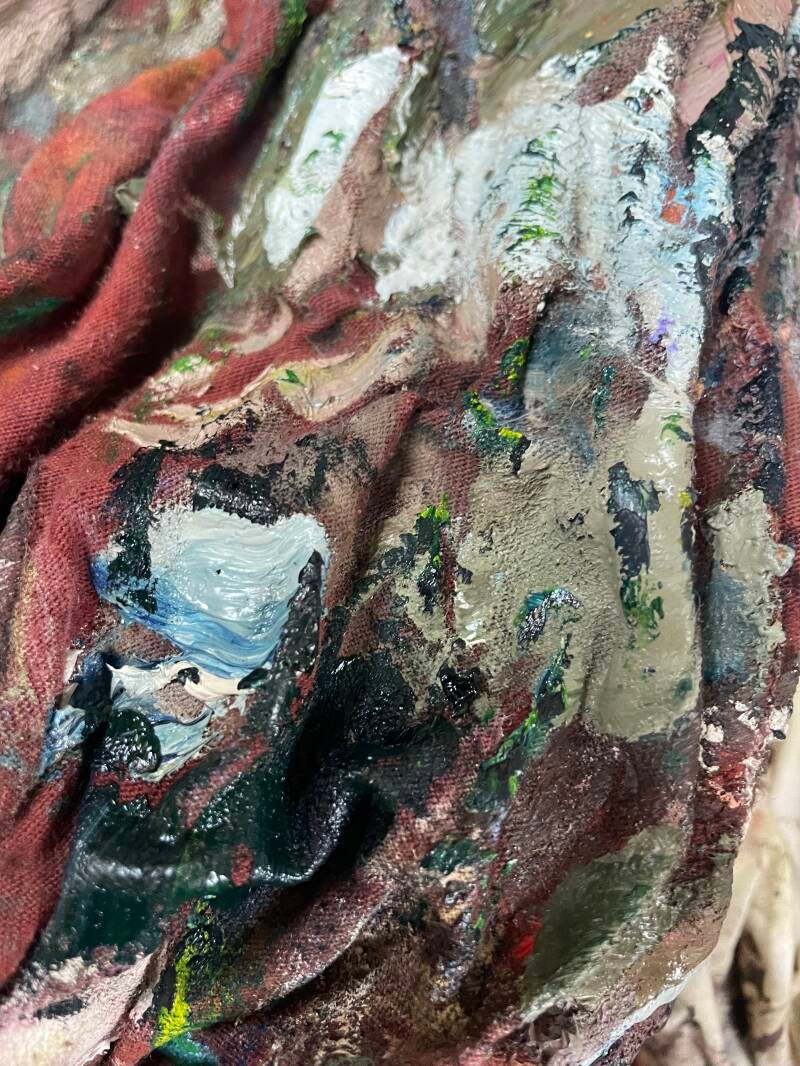
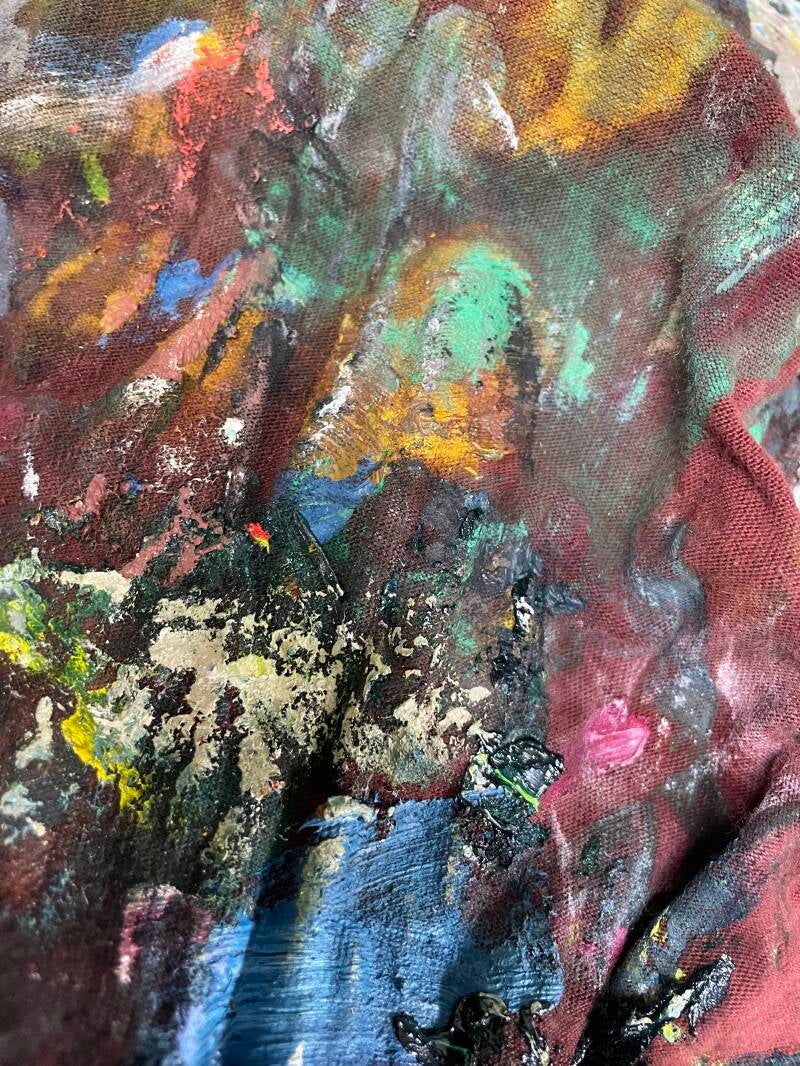
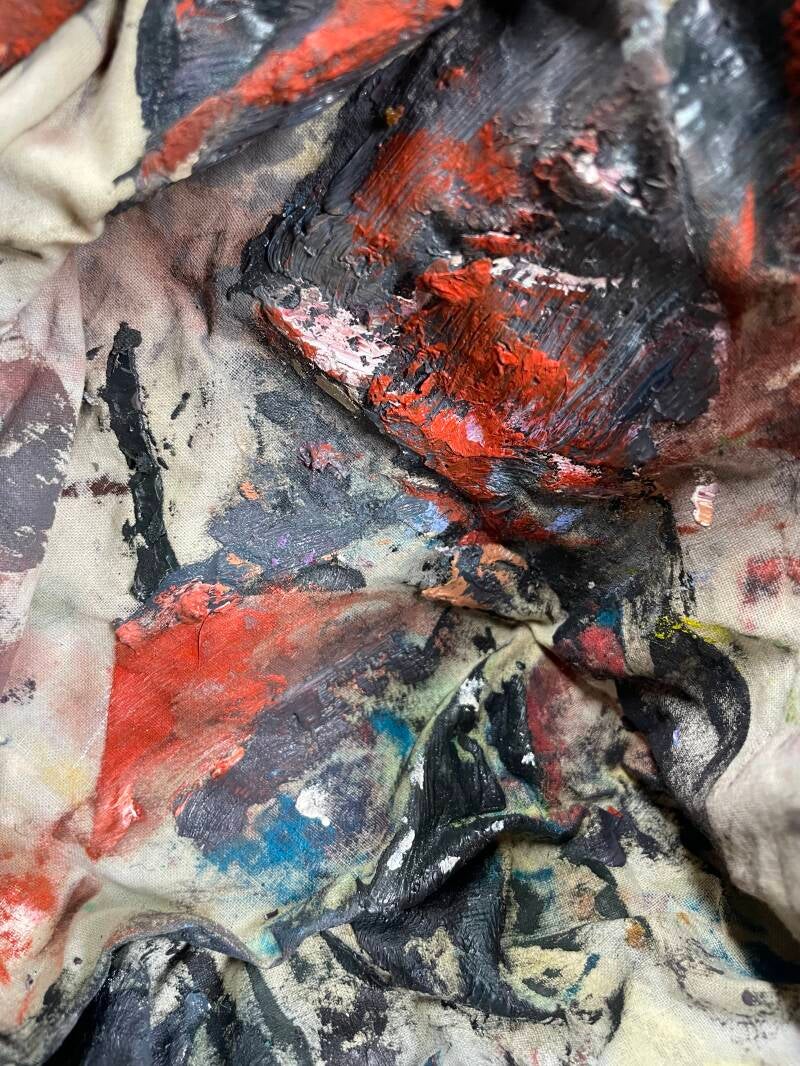
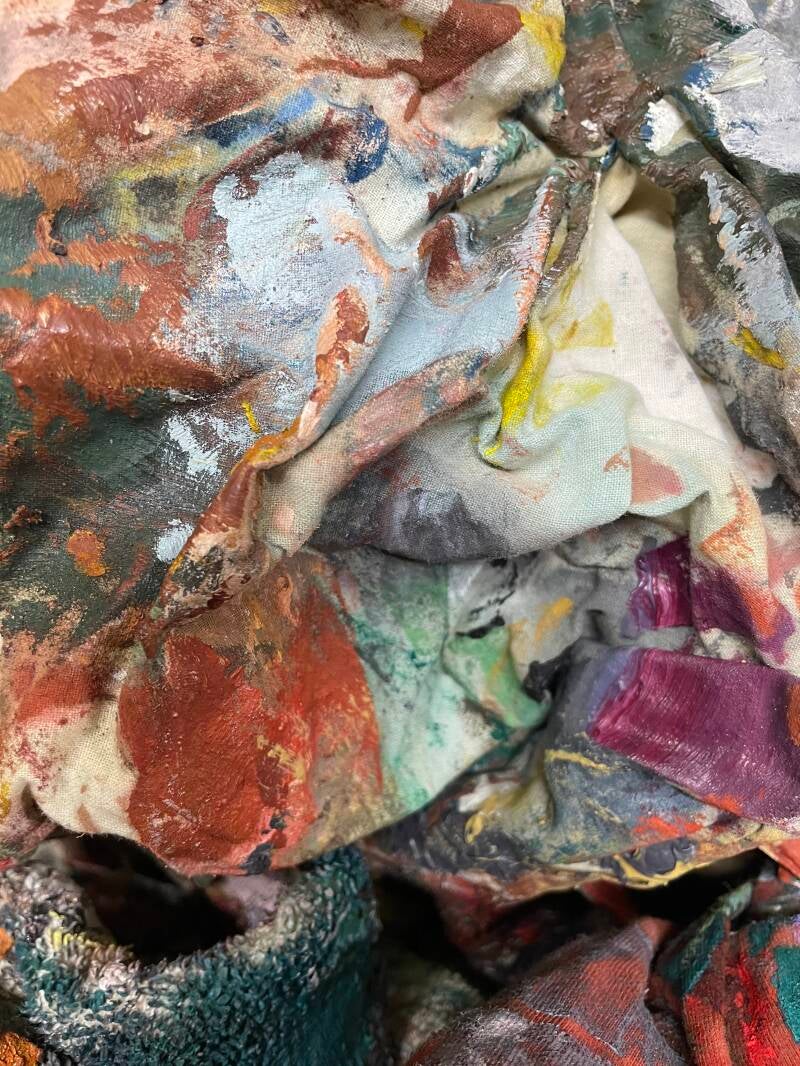
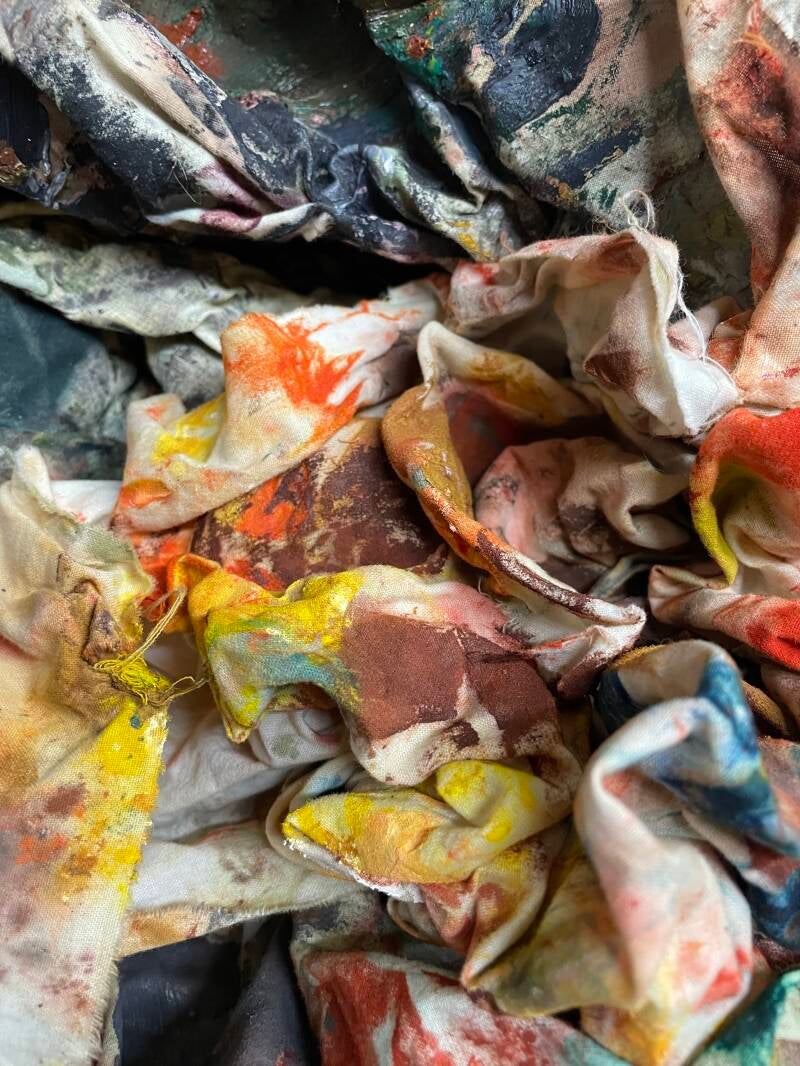
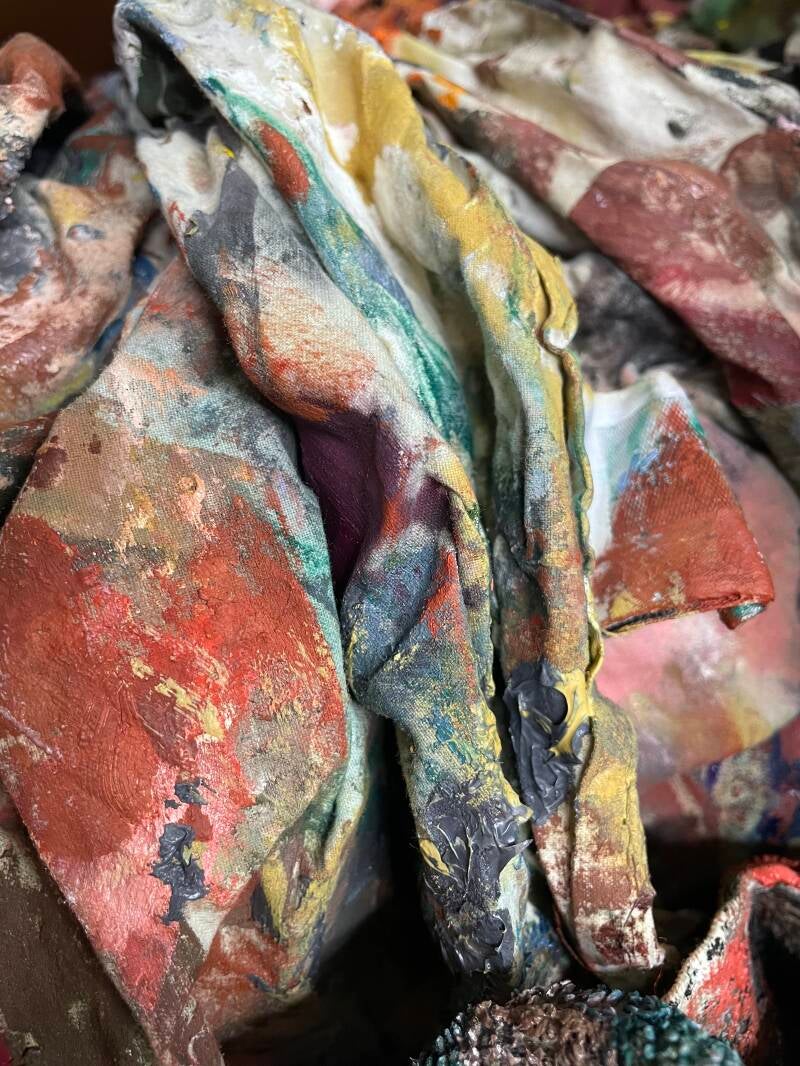
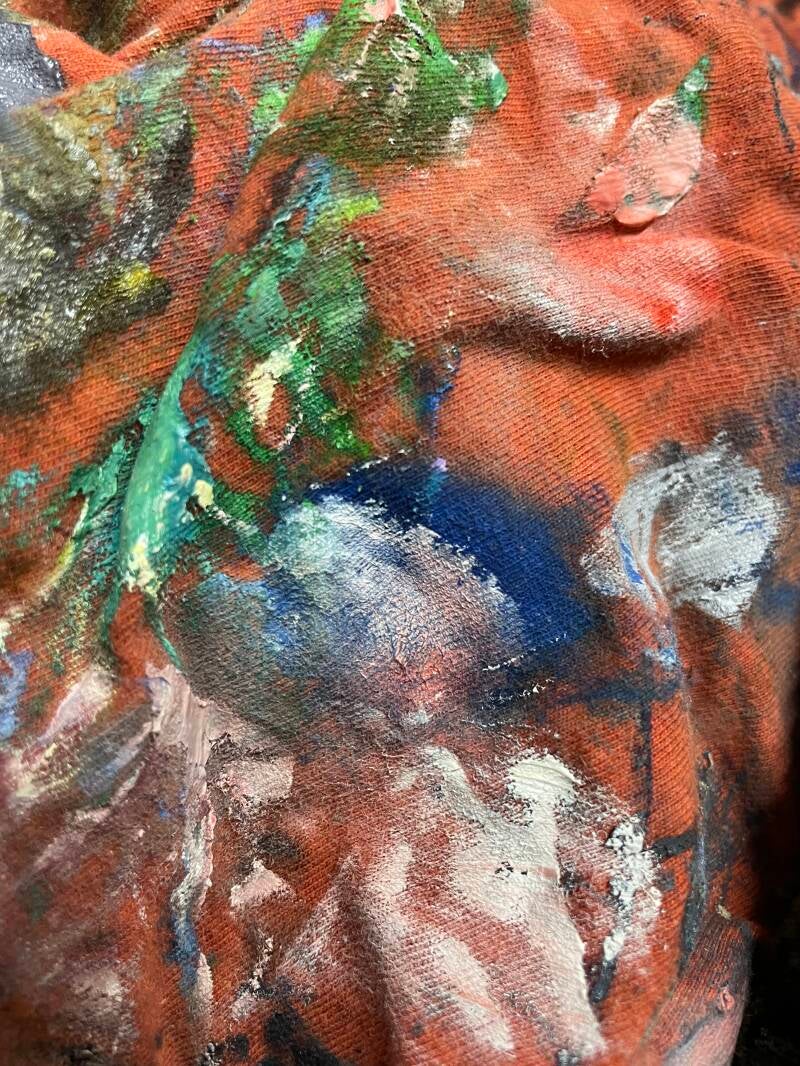
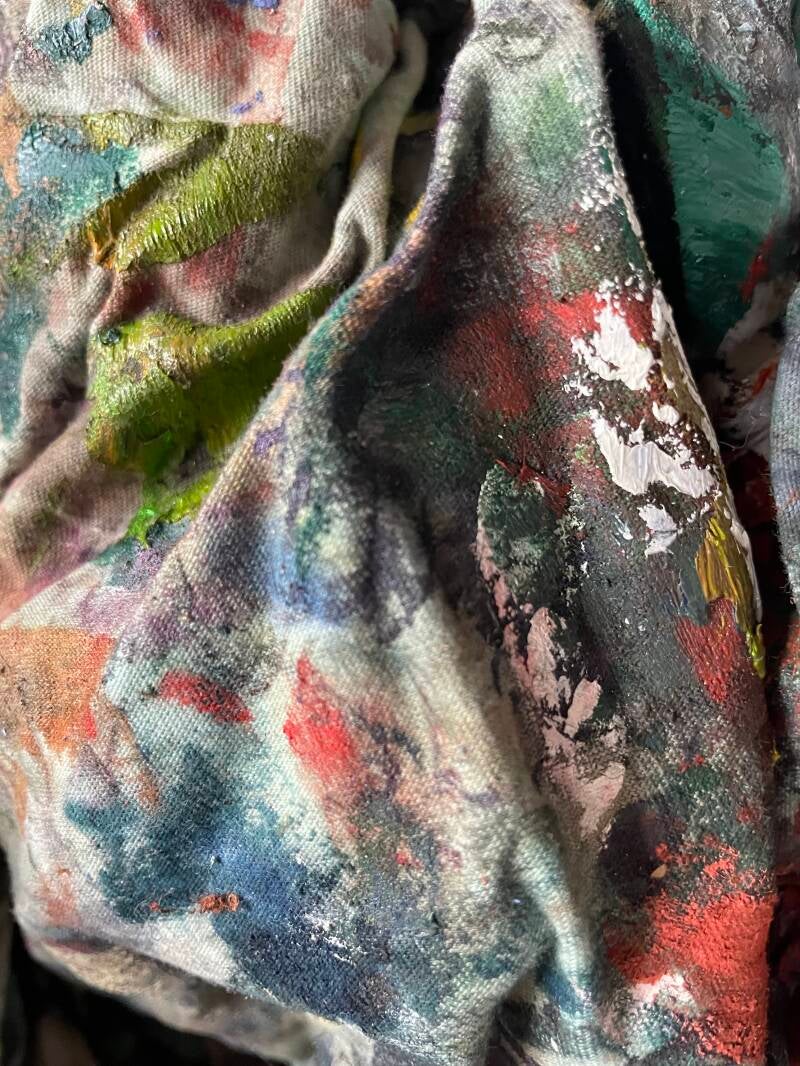
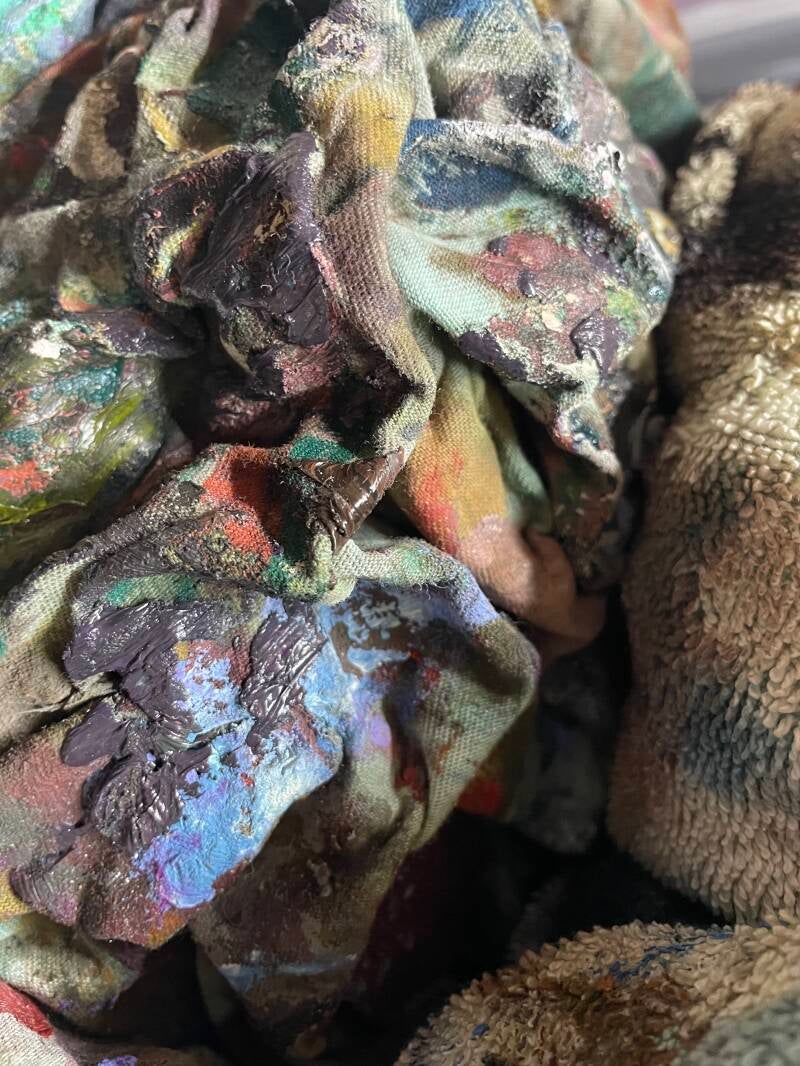
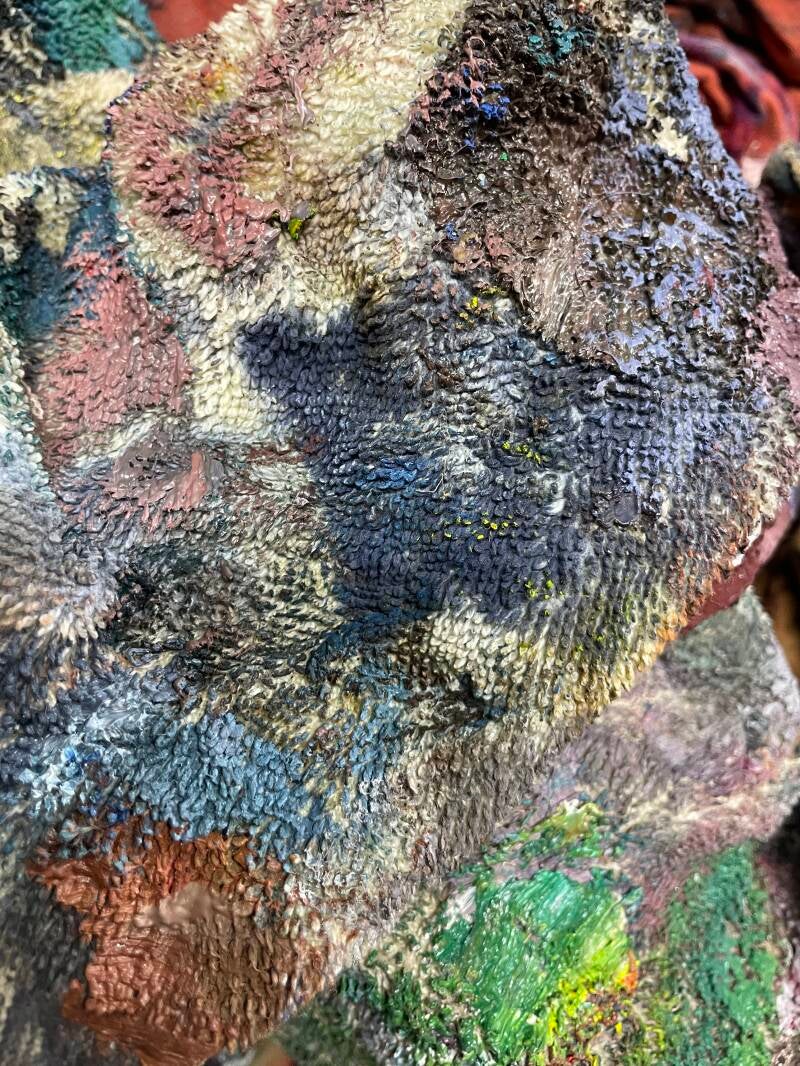
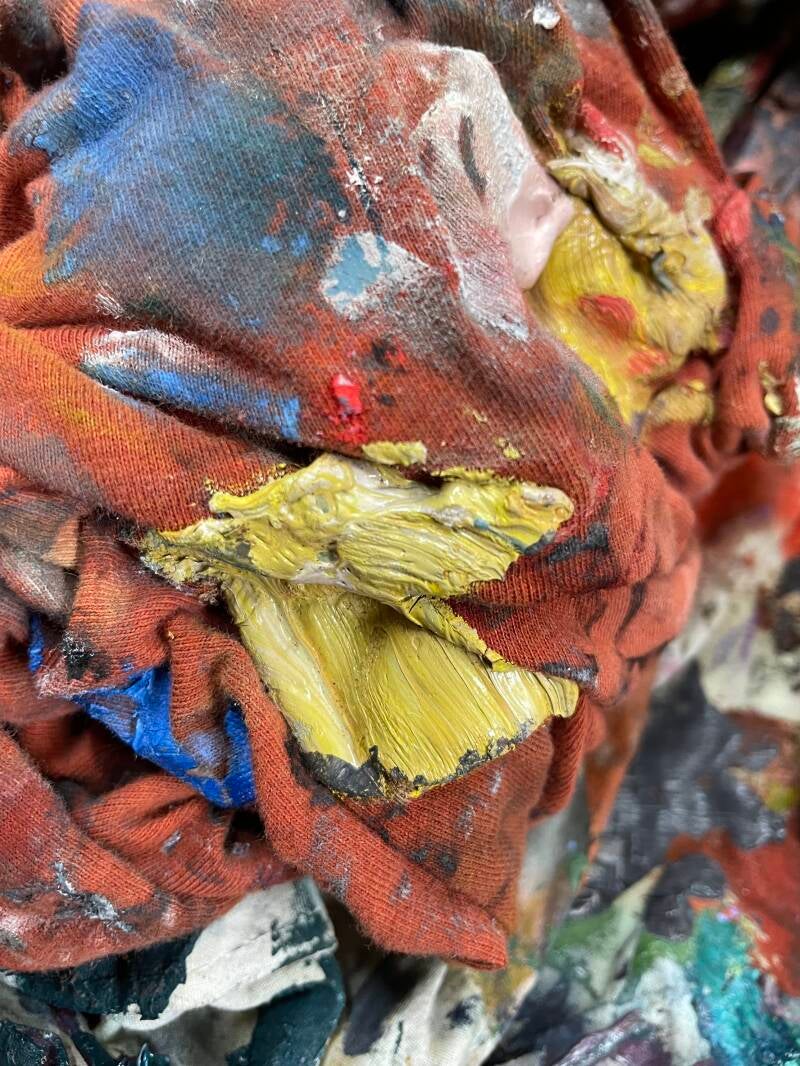
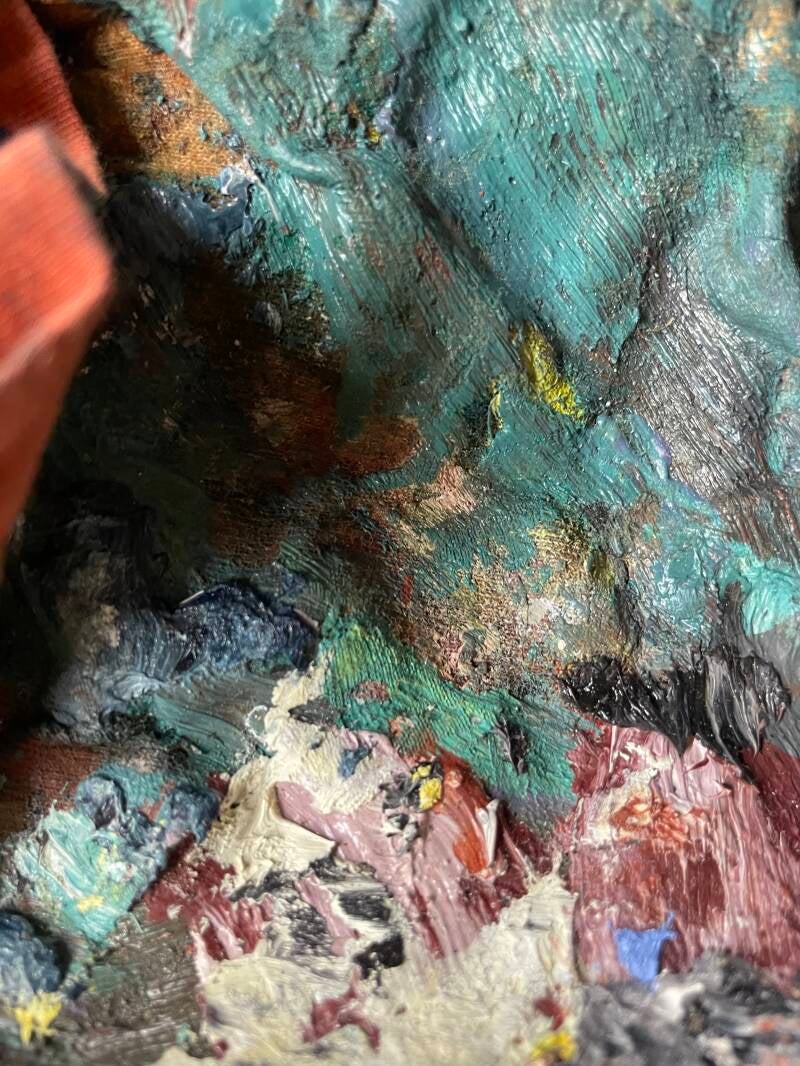
Old cloths, once woven into domestic life, return in the studio as rags, objects of utility conscripted for the most menial of tasks. Yet repetition transforms them. Pigment stiffens their fibres, gestures sediment within them, and time reshapes their form. What was once soft and forgettable acquires density, becoming an object that insists on being seen. No longer mere tools, these rags become unintended archives, repositories of maintenance, care, and labour without which artistic work could not exist.
This work photographs the cloths, bringing their traces into focus. The camera attends to what is usually overlooked: worn fibres, hardened pigment, folds that record repeated gestures. In each image, the cloths become both subject and witness, preserving the gestures, time, and labour that would otherwise slip into disappearance. Photography does not merely document; it intervenes, creating an archive of material memory and holding attention to labour that is ordinarily invisible.
Each rag stores colour, time, and process: repeated gestures, maintenance, undoing, and care. Memory is fragmentary, layered, and partial. The hardened cloths are imperfect witnesses, fragile remnants and stubborn survivors, caught between disappearance and endurance. They move between care and creation, between the visible and the invisible, refusing singular definition.
The practice is circular. Residue hardens into cloth, cloth becomes photograph, and the photograph reflects back upon the residue. Each stage carries traces of the previous, binding tool, object, image, and memory into a cycle without origin or conclusion. This movement is less progress than oscillation, a continual negotiation between what disappears and what endures. Each stage leaves a remainder, an excess that resists absorption. The cloths remember what has passed; the photographs remember the cloths. Each recollection echoes, never completing the last.
To photograph the rag is to resist disappearance, to hold memory just long enough to be seen before it slips into another cycle of circulation. Yet the material itself continues to change, gathering new marks, new sediments, new traces of labour. Each photograph is therefore both archive and threshold. It preserves a moment that can never recur, even as the cloth persists. Presence and absence flicker together, neither cancelling the other.
Here, the politics of aesthetics emerge: manual versus digital, embodied labour versus automated capture, material endurance versus instant transmission. If images promise permanence, the cloths insist on fragility. Photography records but cannot complete; it fragments, revealing what cannot be wholly held.
By making the residues visible, the work shifts attention from celebrated outcomes to the unseen labour that sustains them. Waste, surplus, and maintenance become sites of memory and endurance. To archive excess challenges disposability, insisting that what is structurally destined for disappearance can persist as testimony.
These cloths remind us that every process rests on invisible gestures, that value is relational, and that even waste bears the imprint of persistence. To photograph and exhibit them exposes the paradox of art under capitalism: what is expendable can be consecrated, what is erased can return as testimony.
In every fold, residue, and photograph, what survives resists disappearance. Not permanence, but negotiation: fragility alongside persistence, disappearance shadowed by survival. Photography anchors this cycle, making visible what is otherwise fleeting, and holding attention just long enough for the ephemeral to insist on being seen.
.